
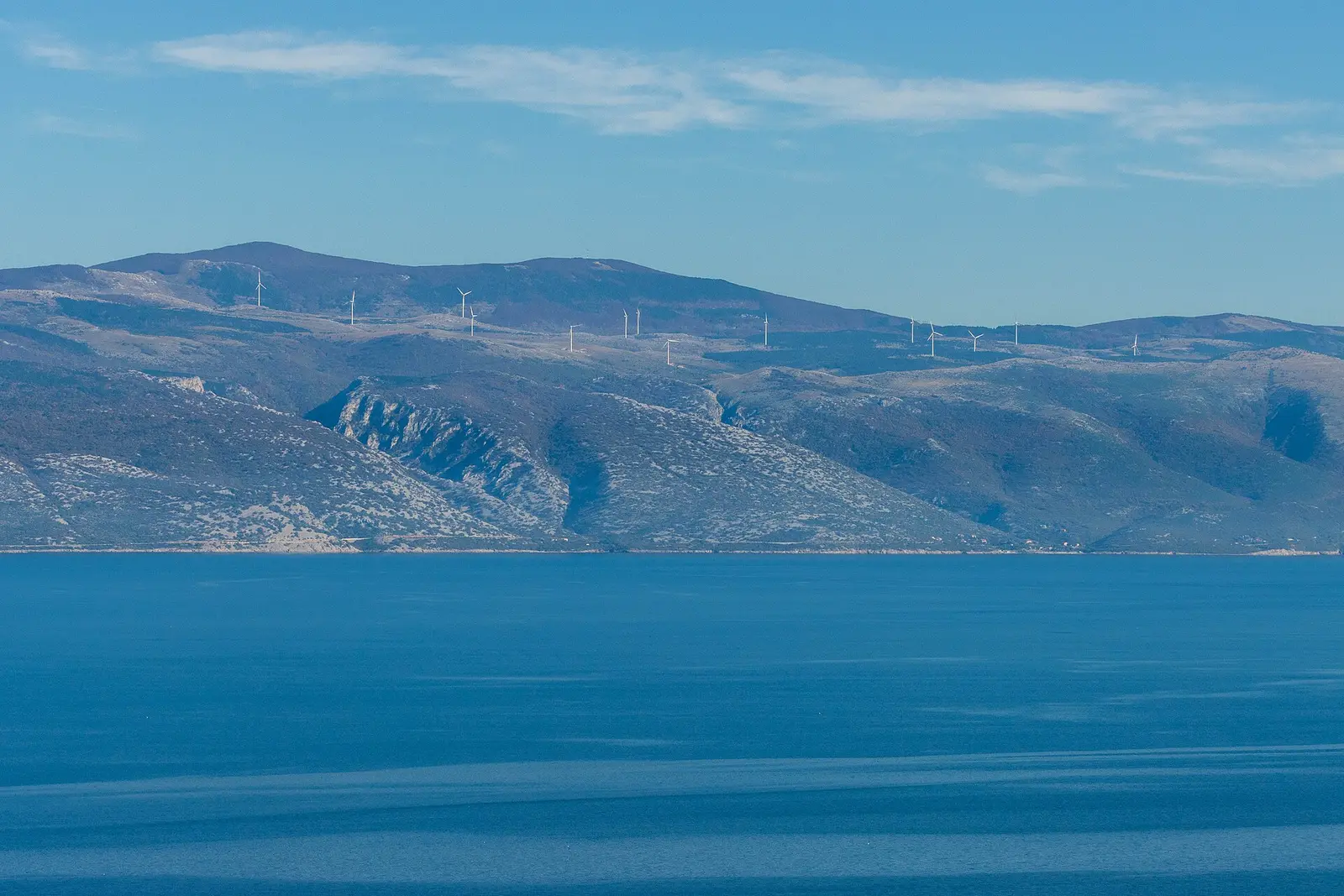
Farming regions of Croatia
- Slavonia – corn, wheat, soybeans, sunflower and sugar beet, the black Slavonian pig and kulen sausage.
- Istria – olive oil from family mills and wine from the Malvazija grape.
- Dalmatia and the Neretva Delta – mandarin orchards among the canals, figs, Plavac Mali wine, and sheep and cheese on the island of Pag.
- Ston Bay and Pelješac – mussel and oyster farming, plus vineyards.
What sets Croatia apart
On the coast, farms are small and fragmented, and their strength is a high product price rather than scale. Summer tourism on the Adriatic creates a large direct-sales market for olive oil, wine and cheese. Slavonia, by contrast, is classic lowland farming country with field crops and a pig-keeping tradition, and its warm climate favors soybeans and sunflower. In the Neretva Delta, farmers still move fruit by boat along the canals. Mariculture, the farming of fish and shellfish at sea, is another important sector.
When to go
- May–June – spring work in vineyards and orchards, mild temperatures,
- September–October – grape harvest, plus corn and soybean harvest in Slavonia,
- October–November – mandarin harvest in the Neretva Delta and olive harvest on the coast.
Frequently asked questions
How do we get to Croatia? International flights from your home country are arranged or quoted separately. Within Croatia the group travels by coach; coastal airports have the most connections in the summer season.
What documents do we need? Entry requirements depend on your nationality. Check the current rules before you travel.
How many days should we plan? We recommend 6–8 days to combine Slavonia with the coast, as distances between regions are considerable. An agriculture-literate tour leader interprets during farm visits.