
 Farm tours in Guyana
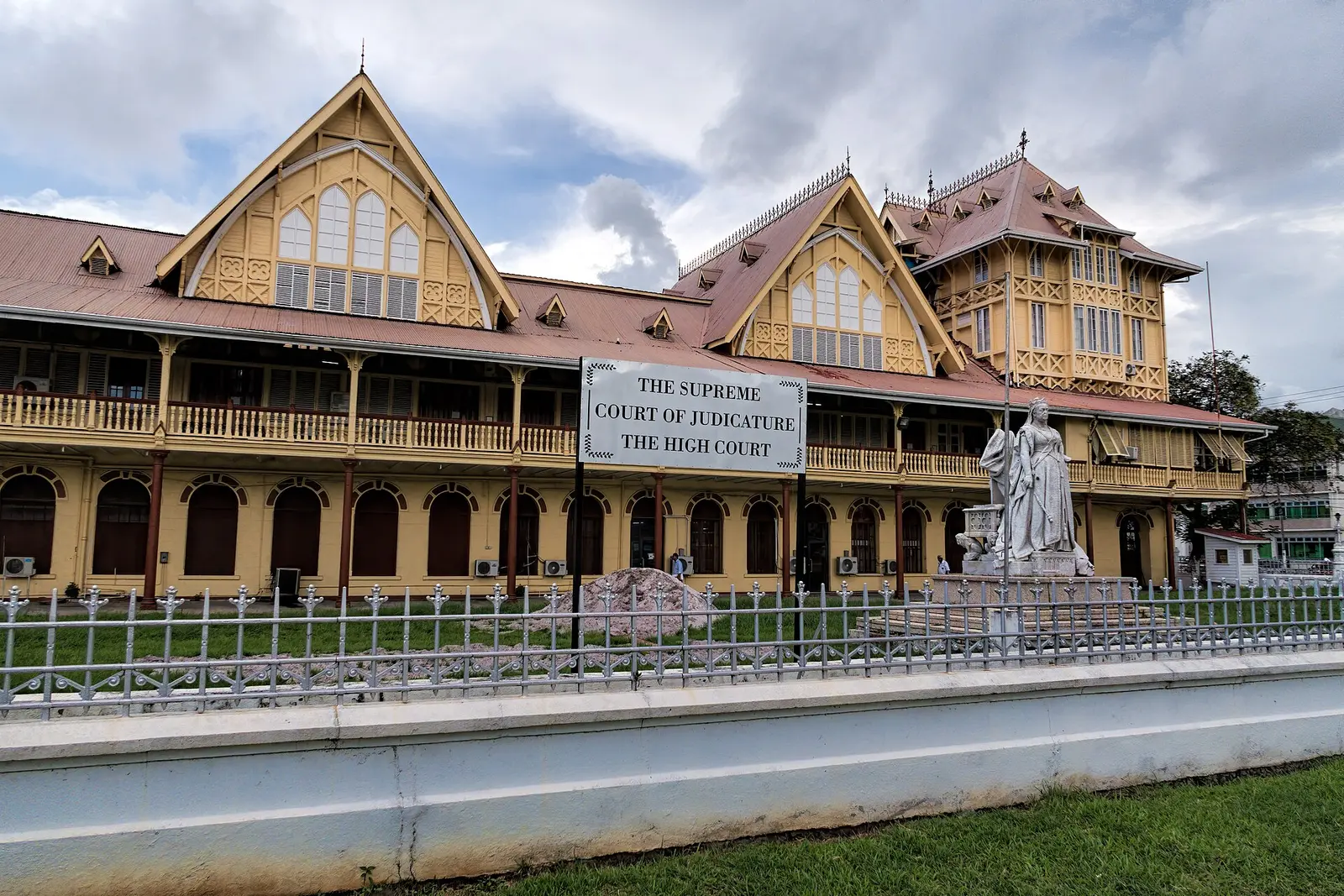
Farming regions of Guyana
- Atlantic coast – rice on polders, dryers and rice mills, sugarcane, sugar factories and rum distilleries.
- Around Georgetown – horticulture farms, coconuts, tropical fruit and protected cropping.
- Rupununi savanna – extensive cattle ranching on grasslands near the border with Brazil.
- Coastal zone and river mouths – fish and shrimp ponds and traditional fishing.
What sets Guyana apart
Without constantly maintained drainage, farming on the coast could not exist – the system of dikes and canals dates back to Dutch colonial times. Most of the country is covered by tropical forest, so farmland is concentrated in a few zones and the rest remains wild. The country is changing fast: new oil revenue is funding investment in agriculture and food security. Rice is grown in a hot climate with two seasons a year, and the harvest is fully mechanized.
When to go
- February–April – the shorter dry season, good conditions for field visits,
- August–November – the longer dry season and the autumn rice harvest,
- May–July – the main rainy season, harder access.
Frequently asked questions
How do we get to Guyana? Most international routes involve a connection; flights from your home country are arranged or quoted separately. The Rupununi is far from the coast, so it is worth planning as a separate stage.
What language do we speak with farmers? English is the official language, which makes contact easier. An agriculture-literate tour leader interprets during visits.
What documents do I need? Entry requirements depend on your nationality. Check the current rules before you travel.