
 Farm tours in Israel
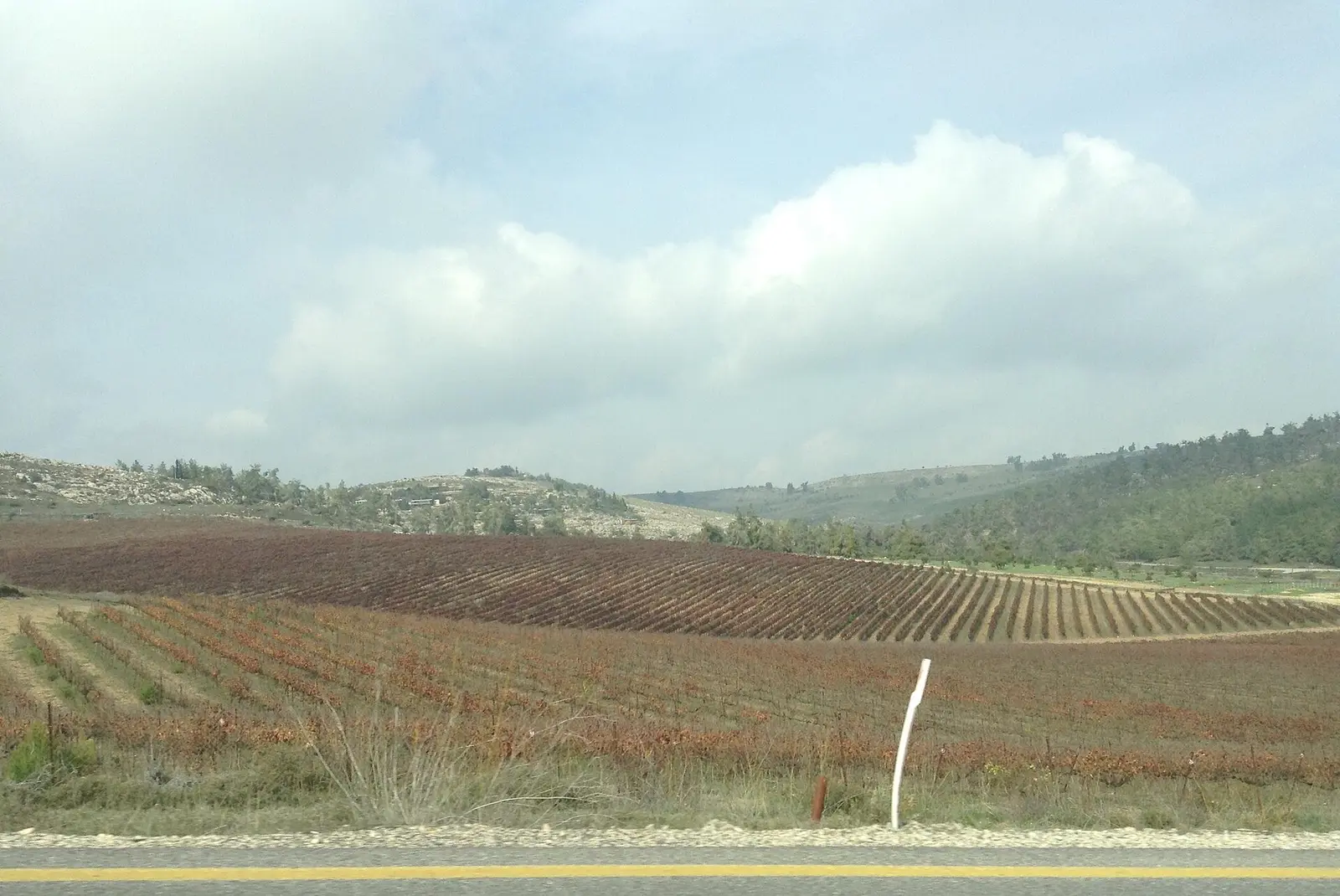
Farming regions of Israel
- Galilee and the northern valleys – kibbutz dairy barns, orchards and field crops.
- Coastal plain – citrus, avocado and farms on drip irrigation.
- Jordan Valley and the Dead Sea area – date palm plantations.
- Negev and the Arava Valley – desert greenhouses, vegetables and fruit grown in the heat.
What sets Israel apart
Water is the most valuable input here: drip irrigation, fertigation and reuse of treated wastewater are everyday practice, not the exception. Israeli dairy herds have ranked among the world leaders in yield per cow for years, despite the heat and a limited feed base. Many farms operate within kibbutzim and moshavim, the cooperative models of rural organization. The country is also home to one of the largest clusters of agtech companies.
When to go
- October–November – the heat eases, date and olive harvest,
- February–April – the country is green, full season in greenhouses and orchards,
- June–August – very hot, especially in the Negev and the Jordan Valley.
Frequently asked questions
What documents do we need? Entry requirements depend on your nationality. Check the current rules before you travel.
Does the program include the holy sites? Yes. We combine farm visits with Jerusalem, Nazareth, Masada, the Dead Sea and the Sea of Galilee.
Who interprets during visits, and how many days should we plan? An agriculture-literate tour leader interprets during farm visits. We recommend 6–8 days, for groups from 5 people.