
 Farm tours in United Kingdom
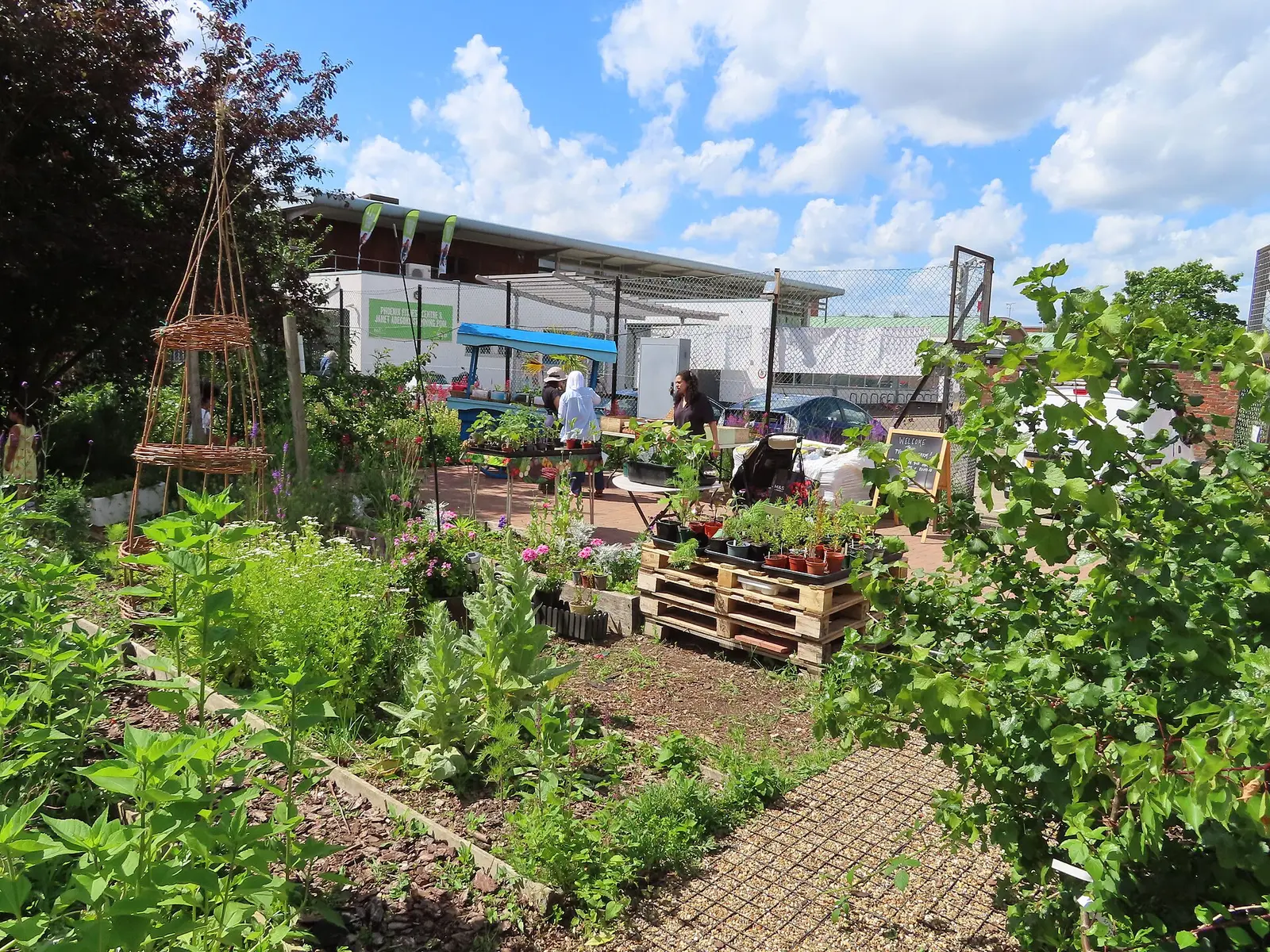
Farming regions of the United Kingdom
- Southwest England and Wales – grazing-based dairy farms, block calving, hill sheep.
- East Anglia and Lincolnshire – large arable farms with wheat, barley, oilseed rape, sugar beet and potatoes.
- Kent – apple orchards, strawberries under tunnels, cider makers and a growing number of vineyards.
- Scotland and northern England – sheep and traditional beef breeds in the uplands.
What makes the United Kingdom different
The mild, damp climate favors grass, so many farms produce milk mainly from pasture with a focus on low cost per liter, alongside intensive barns with robots. The country has one of the largest sheep flocks in Europe. No-till, cover crops and grazing livestock on arable land have been used by many practitioners for years. Farm shops and farmers markets play an important role, and agricultural shows and field events bring whole farming communities together.
When to go
- March–April – lambing and spring calving on grazing farms,
- May–July – agricultural show and field event season,
- July–August – harvest in eastern England,
- September–October – apple harvest and cider making.
Frequently asked questions
How do we get to the United Kingdom? London and other UK airports have extensive international connections. Flights from your home country are arranged or quoted separately.
What documents do we need? Entry requirements depend on your nationality.
Can the program be combined with a show or fair? Yes. Depending on the dates, we add a visit to a livestock show or a machinery fair. An agriculture-literate tour leader accompanies the group during visits.