
 Farm tours in Turkey
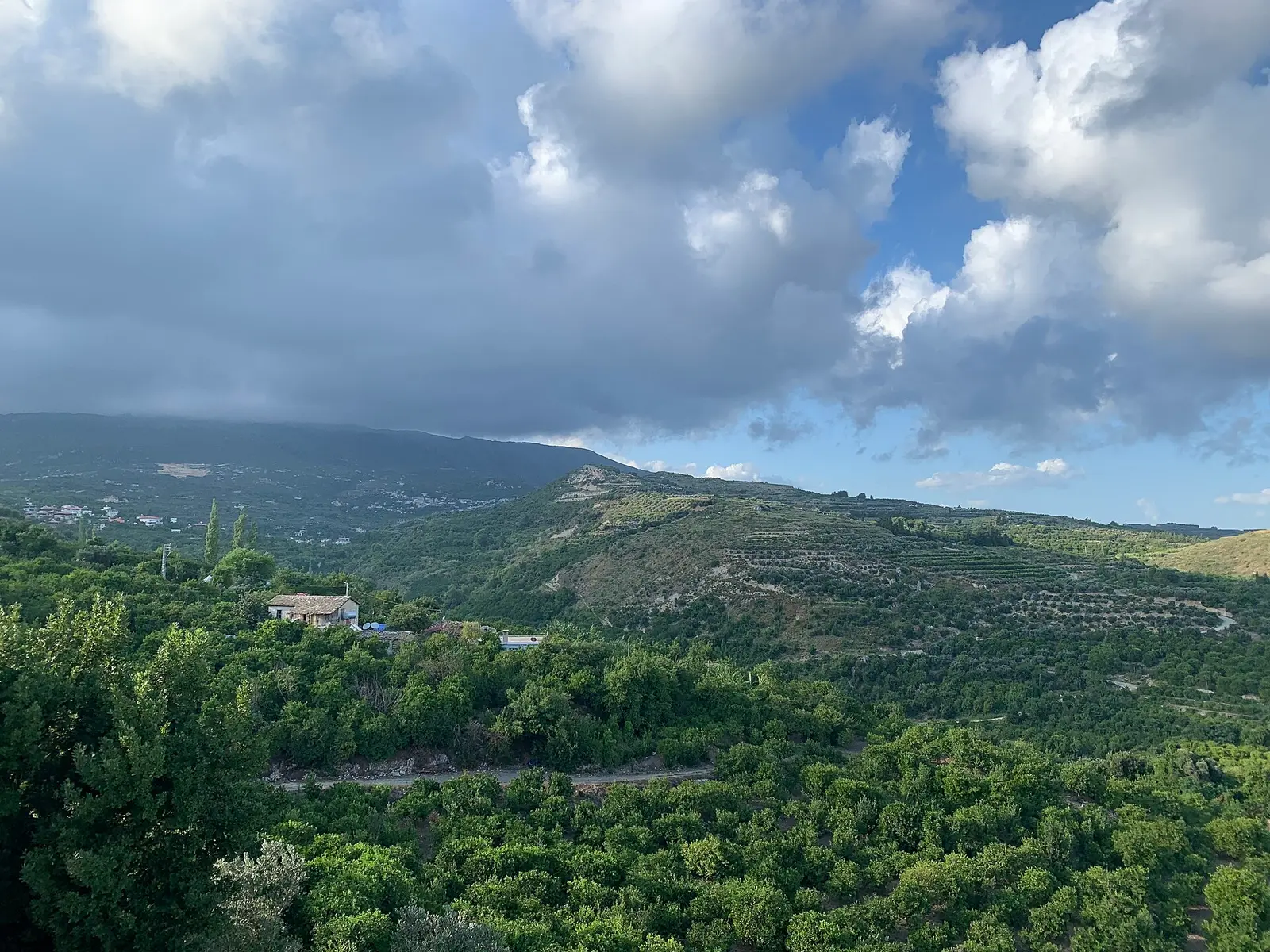
Farming regions of Turkey
- Antalya coast – greenhouses and tunnels with tomatoes, peppers, cucumbers and eggplants.
- Aegean region – olive groves and oil mills, figs, sweet cherries and fruit drying plants.
- Black Sea coast – most of the world's hazelnuts and tea plantations on the slopes.
- Anatolia – wheat and barley on the plateau, apricots around Malatya, and cotton and corn on the irrigated plains of the southeast.
What makes Turkey different
The scale of horticulture is huge: the Antalya coast is one of the largest greenhouse clusters in the Mediterranean, geared to export. Alongside traditional small farms, large dairy farms with milking parlors and TMR feeding are growing fast and have to protect their cows from heat. Large irrigation projects in southeastern Anatolia have turned dry plains into cropland. For farmers developing hazelnut orchards, the Black Sea plantations are a good place to learn about harvesting, drying and shelling.
When to go
- November–April – greenhouse season on the Antalya coast,
- May–June – sweet cherry harvest in the Aegean region,
- August – hazelnut harvest on the Black Sea coast,
- October–November – olive harvest and oil mills at work.
Frequently asked questions
How do we get to Turkey? Istanbul and Antalya have extensive international connections. Flights from your home country are arranged or quoted separately.
What documents do we need? Entry requirements depend on your nationality.
How many days should we plan? The country is large, so we recommend 7–9 days focused on two regions. An agriculture-literate tour leader interprets during visits.