
 Farm tours in Spain
Farming regions of Spain
- Almería and Murcia – Europe's largest concentration of greenhouses and tunnels: tomatoes, peppers, cucumbers and berries.
- Valencia – oranges and mandarins, packing houses and citrus cooperatives.
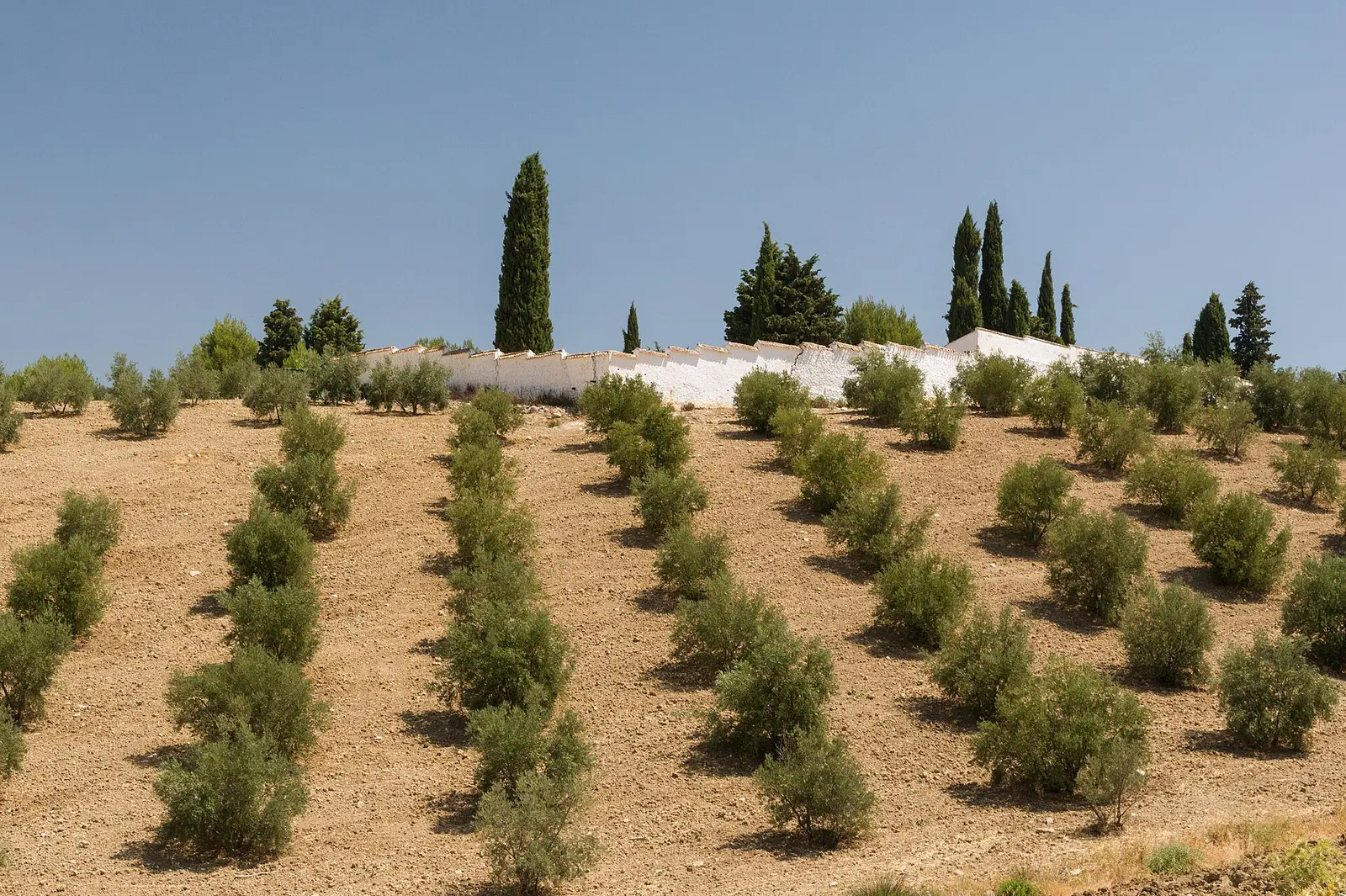
- Andalusia and Extremadura – olive groves and mills, and dehesas where Iberian pigs graze under oak trees.
- Aragon and Catalonia – modern pig farms and peach and nectarine orchards.
What sets Spain apart
Water decides everything: irrigation communities, reservoirs, drip irrigation and desalinated water. In the greenhouses of Almería, biological crop protection and bumblebee pollination are standard. Spain has the largest pig herd in the EU, and pig production mostly runs under integration contracts. It is also the world's largest olive oil producer, with traditional groves and super-high-density groves harvested by machine. Fruit, vegetable, olive oil and wine cooperatives bring together thousands of farmers and sell under a shared brand. The common EU agricultural policy (CAP) rules apply, which makes comparisons with other European farms easy.
When to go
- October–May – greenhouse season in Almería and Murcia,
- November–March – citrus harvest in Valencia,
- November–January – olive harvest and busy mills,
- July–August – very hot, a less convenient time.
Frequently asked questions
What documents do we need? Entry requirements depend on your nationality.
Can we combine several regions? Yes, but distances are long. In 6–8 days it is best to focus on two regions.
Are conversations with farmers interpreted? Yes. An agriculture-literate tour leader interprets during farm visits.