
 Farm tours in Serbia
Farming regions of Serbia
- Vojvodina – large arable farms, non-GMO soybeans, seed production and the Fruška Gora vineyards.
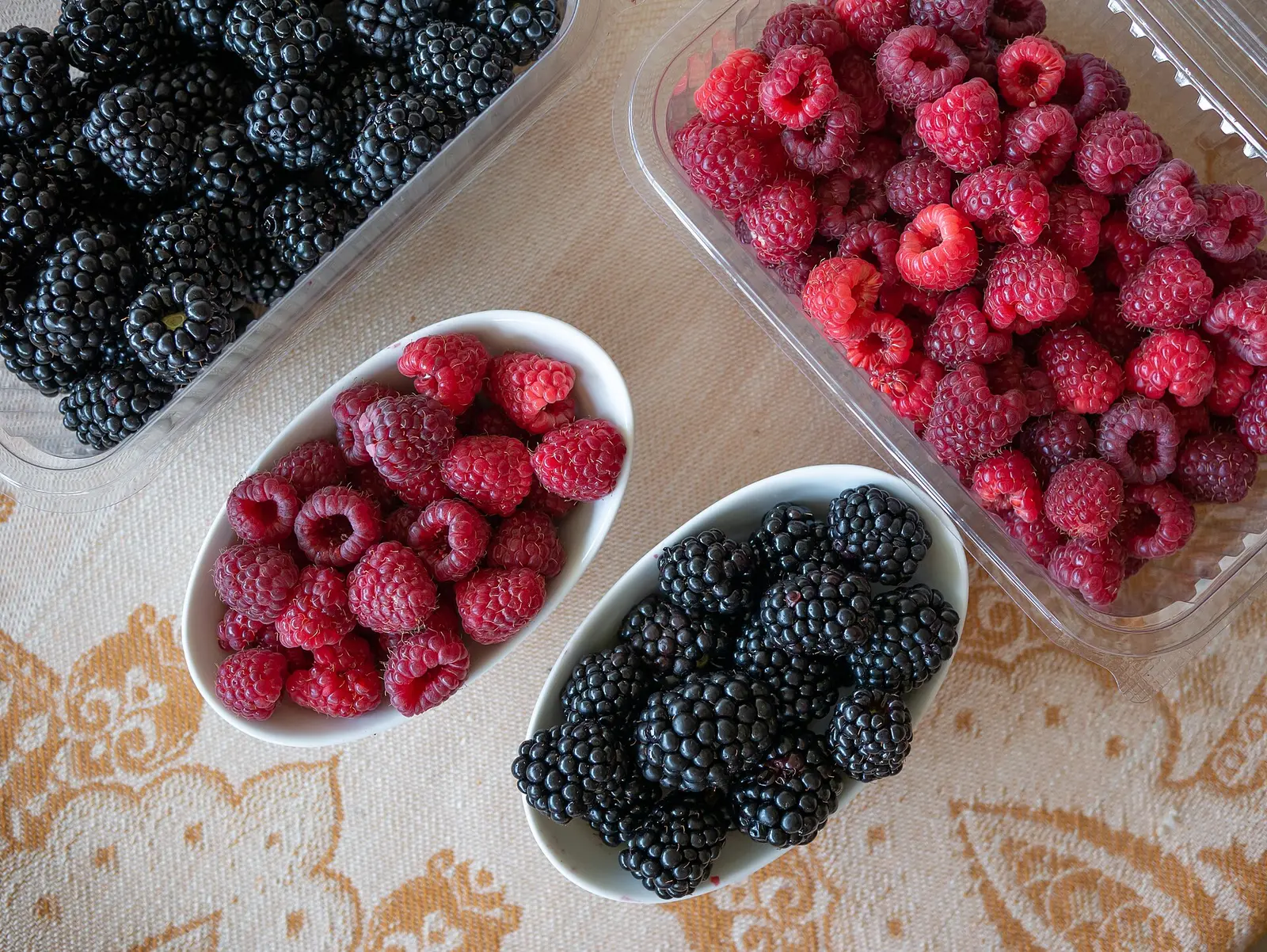
- Western Serbia around Arilje – raspberry plantations in the foothills, freezing plants and cold stores.
- Šumadija and central Serbia – plum orchards, drying plants, rakija distilleries and new apple orchards.
- Župa – family wineries and local grape varieties.
What makes Serbia different
Raspberry plantations are mostly small family operations, and prices are set by the freezing plants that buy fruit from many suppliers. Serbia is outside the EU but is a candidate country, so competition, trade and future changes in the fruit and grain markets are good topics for discussion. The climate is warm, and grain from Vojvodina is shipped through ports on the Danube. The country has built a strong position in non-GMO soybeans, which is of interest to farmers looking at protein crops.
When to go
- June–July – raspberry harvest in western Serbia,
- August–September – plum harvest and fruit drying,
- September–October – corn and soybean harvest, plus the grape harvest.
Frequently asked questions
How do we get to Serbia? The usual gateway is Belgrade. Flights from your home country are arranged or quoted separately.
What documents do we need? Entry requirements depend on your nationality.
How many days should we plan? We recommend 6–7 days, to combine raspberry plantations with Vojvodina and Belgrade. An agriculture-literate tour leader interprets during visits.