
 Farm tours in Sardinia
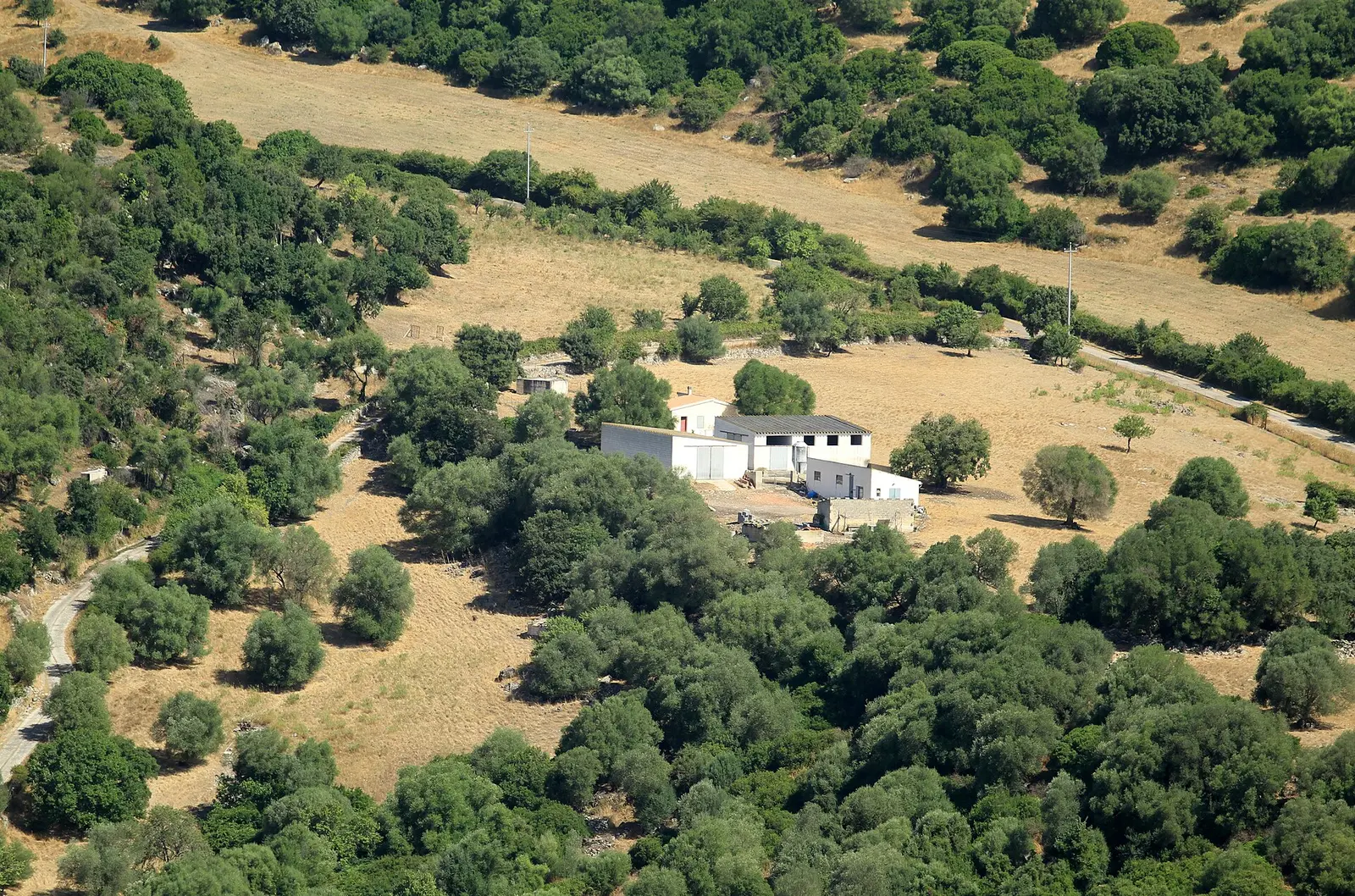
Farming regions of Sardinia
- Central mountains and uplands – sheep farms with milking parlors, Pecorino Sardo and Fiore Sardo.
- Arborea – an intensive cattle dairy area on drained former marshland.
- North of the island – cork oak and cork processing, Vermentino vineyards.
- South and the plains – olive groves with oil mills, artichokes, Cannonau vineyards and lagoon fishing.
What makes Sardinia different
Summers are hot and dry and winters mild, so the production cycle runs the other way round from northern Europe: most forage and milk come in winter and spring, while pastures dry out in summer. Cheeses with a protected designation of origin – Pecorino Sardo, Pecorino Romano and Fiore Sardo – are made mainly by co-ops. Alongside the shepherding tradition, Arborea runs intensive cattle dairying. Small-scale wine, olive oil, honey and saffron production adds high value.
When to go
- February–May – peak sheep milking and cheesemaking, a green island,
- September–October – grape harvest, end of the heat,
- November – olive harvest and oil pressing,
- July–August – heat and drought, less work on farms.
Frequently asked questions
What documents do we need? Entry requirements depend on your nationality.
What is there besides farms? We combine the program with Cagliari, the nuraghi at Barumini and the coast.
Who interprets, and how many days should we plan? An agriculture-literate tour leader interprets during visits. We recommend 5–7 days, for groups from 5 people.