
 Farm tours in Romania
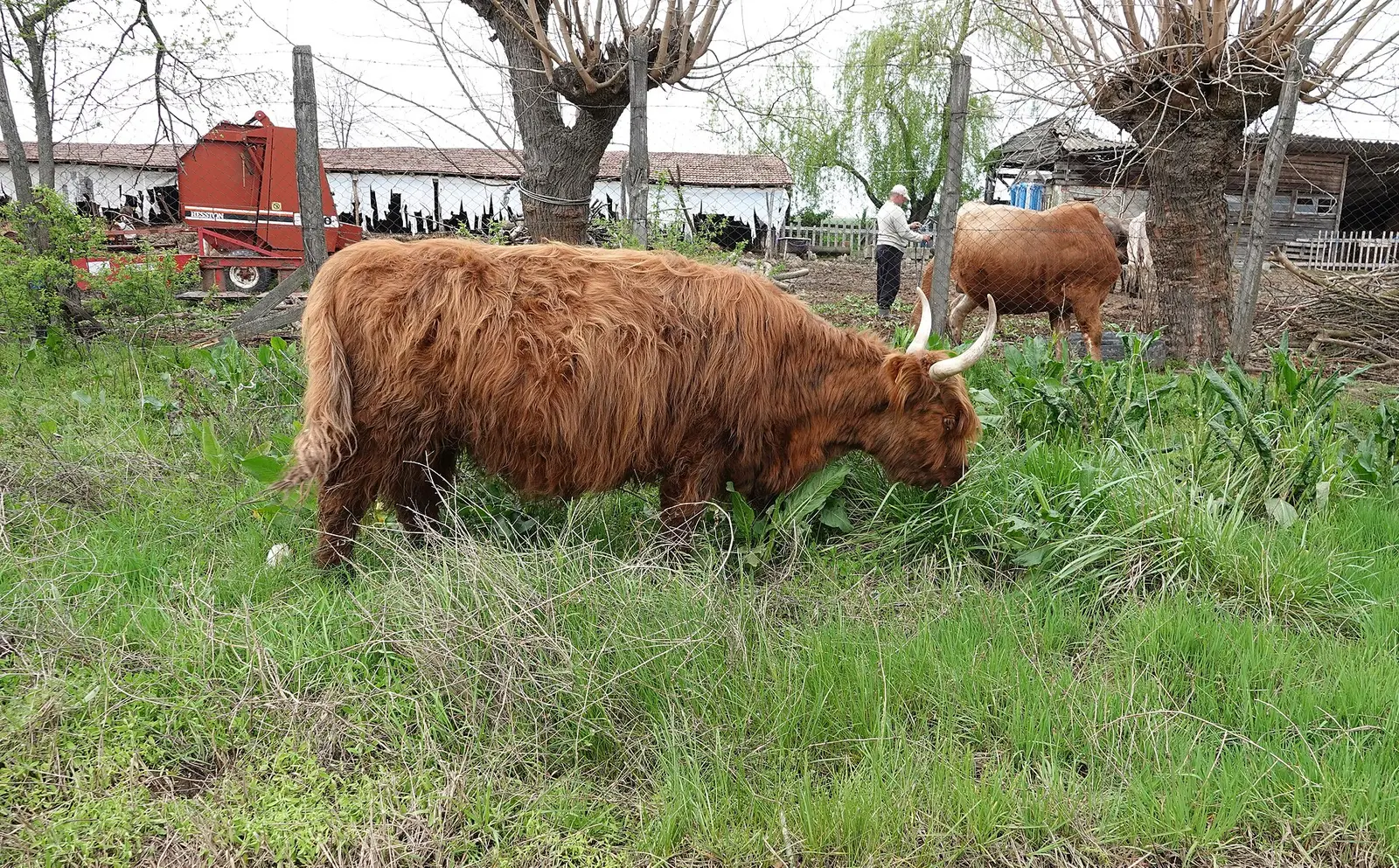
Farming regions of Romania
- Wallachian Plain – corn, wheat and sunflower on thousands of hectares, center-pivot irrigation and storage sites.
- Dobruja and Banat – fertile soils, field crops and the Murfatlar vineyards in Dobruja.
- Transylvania and the Carpathians – sheep, seasonal grazing, shepherds' huts and sheep cheeses, plus growing dairy farms.
- Dealu Mare and Cotnari – vineyards and modern wineries, with plum and apple orchards in the Carpathian foothills.
What makes Romania different
Millions of small farms operate alongside some of the largest agricultural enterprises in Europe. Drought and heat are a fact of life here, so farmers choose sunflower hybrids for resilience and use reduced tillage and irrigation. On large farms, precision farming with guidance and yield maps is standard. Romania has one of the largest sheep flocks in the EU, and grazing in the Carpathians is a living tradition. Grain is exported through ports on the Black Sea. As an EU member, Romania works within the CAP framework.
When to go
- May–June – crops growing and the start of mountain grazing,
- July – wheat harvest,
- September–October – corn and sunflower harvest, plus the grape harvest.
Frequently asked questions
What documents do we need? Entry requirements depend on your nationality.
What does a stay cost? Costs on the ground are lower than in Western Europe. Flights from your home country are arranged or quoted separately.
How many days should we plan? We recommend 6–8 days, with time for Transylvania or the Danube Delta. An agriculture-literate tour leader interprets during visits.