
 Farm tours in Norway
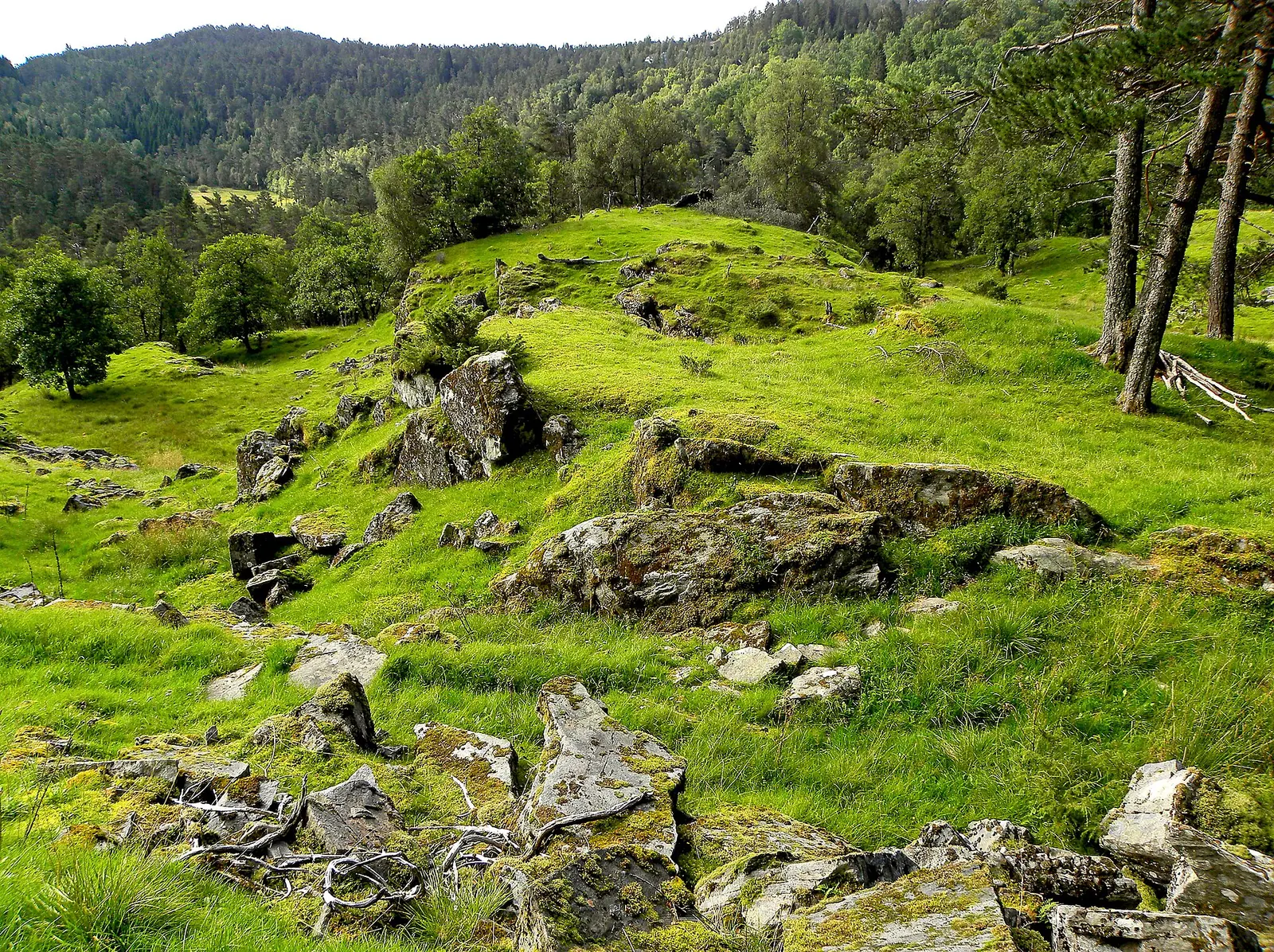
Farming regions of Norway
- The coast and western fjords – salmon farms in sea pens and fish processing plants.
- Hardanger and Sogn – apple, sweet cherry and plum orchards on steep fjord slopes, juice and cider presses.
- Mountain valleys – sheep and goats on summer pastures and cheese dairies, including brunost production.
- The lowlands of eastern Norway and Trøndelag – family dairy farms and grain growing.
What sets Norway apart
Norway is not in the EU and runs a very active policy of farm support and market protection. Dairy herds are small, but the share of milking robots is high, and milk is collected by a strong cooperative. The short growing season means long winter housing of livestock and careful forage production. Animal welfare standards are high and antibiotic use is low. Many farms combine agriculture with forestry, hosting guests and farm-gate sales. Norway accounts for more than half of the world's farmed Atlantic salmon.
When to go
- May – orchards in bloom along the Hardangerfjord,
- June–August – summer mountain grazing, long days and the best conditions for visits,
- September – apple harvest and bringing livestock down from the mountains.
Frequently asked questions
What documents do we need? Norway is not in the EU but is part of the Schengen Area. Entry requirements depend on your nationality.
Are conversations with farmers interpreted? Yes. An agriculture-literate tour leader interprets during farm visits.
How many days should we plan? We recommend 6–8 days, with time for Bergen and a fjord cruise.