
 Farm tours in Italy
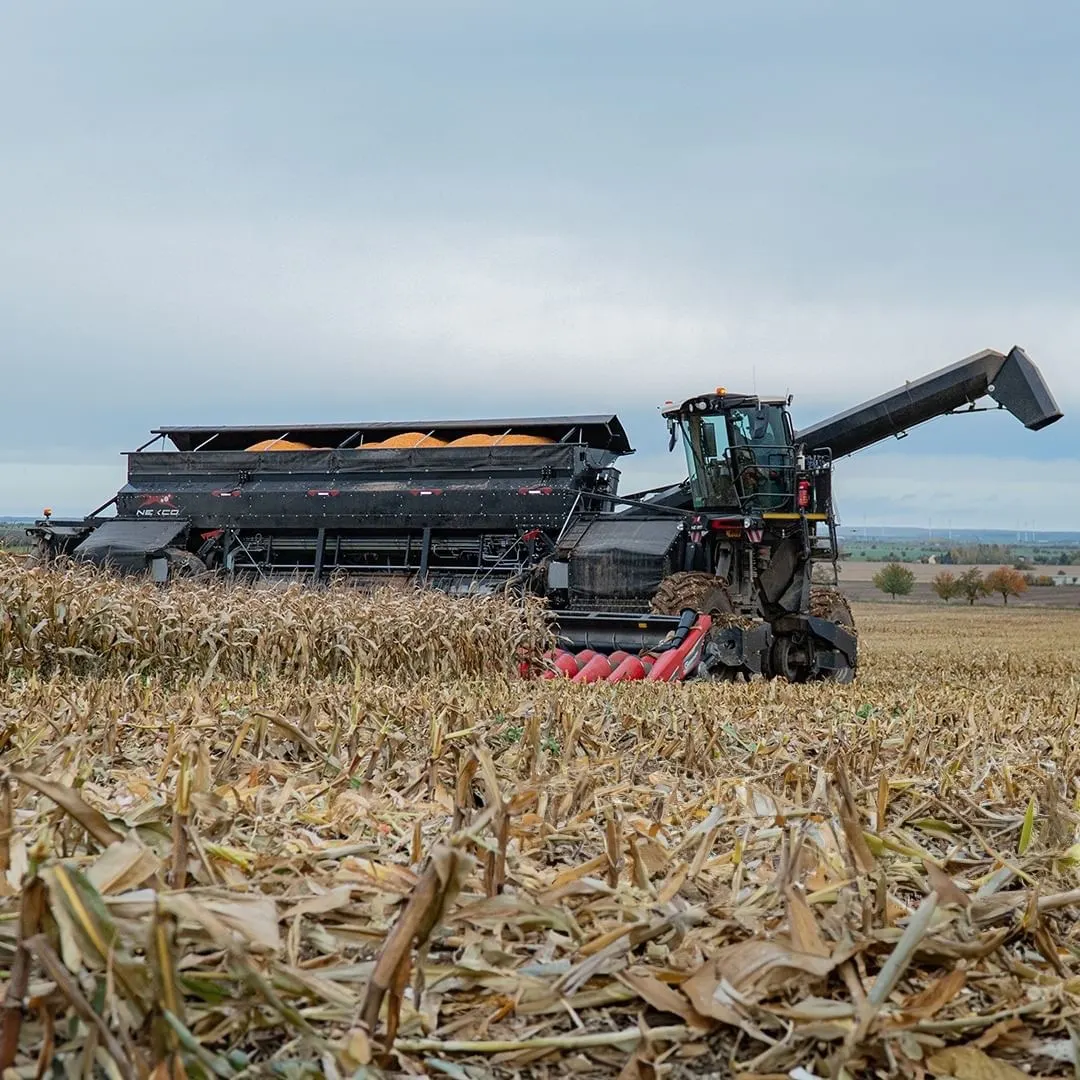
Farming regions of Italy
- Po Valley – dairy farms supplying Parmigiano Reggiano and Grana Padano cheese plants, heavy pigs finished for cured hams, plus corn, wheat and rice.
- South Tyrol and Trentino – apple orchards under hail nets and co-ops with CA storage.
- Tuscany and Apulia – olive groves and oil mills.
- Lake Garda area and the Euganean region of Veneto – vineyards and family wineries.
What makes Italy different
Milk for aged cheeses is produced to a strict specification, for example with no silage in the cows' diet. The cheese is made in copper vats and aged in warehouses for many months. Small producers work in product protection consortia and co-ops that build the brand together and sell to markets across Europe. Italy is the largest rice producer in the EU. Direct sales and tastings at vineyards and olive groves are an important source of farm income. Bologna hosts the EIMA agricultural machinery fair every two years.
When to go
- September–October – apple harvest in South Tyrol and grape harvest,
- October–November – olive harvest and oil pressing,
- November 2028 – EIMA in Bologna,
- year-round – cheese dairies and dairy farms work without a break.
Frequently asked questions
What documents do we need? Entry requirements depend on your nationality.
How long is the trip? Northern Italy has good international connections, so a full program fits into a few days. Flights from your home country are arranged or quoted separately.
How many days should we plan? 4 days are enough for EIMA, and we recommend 5–7 days for a farm program. An agriculture-literate tour leader interprets during visits.