
 Farm tours in Ireland
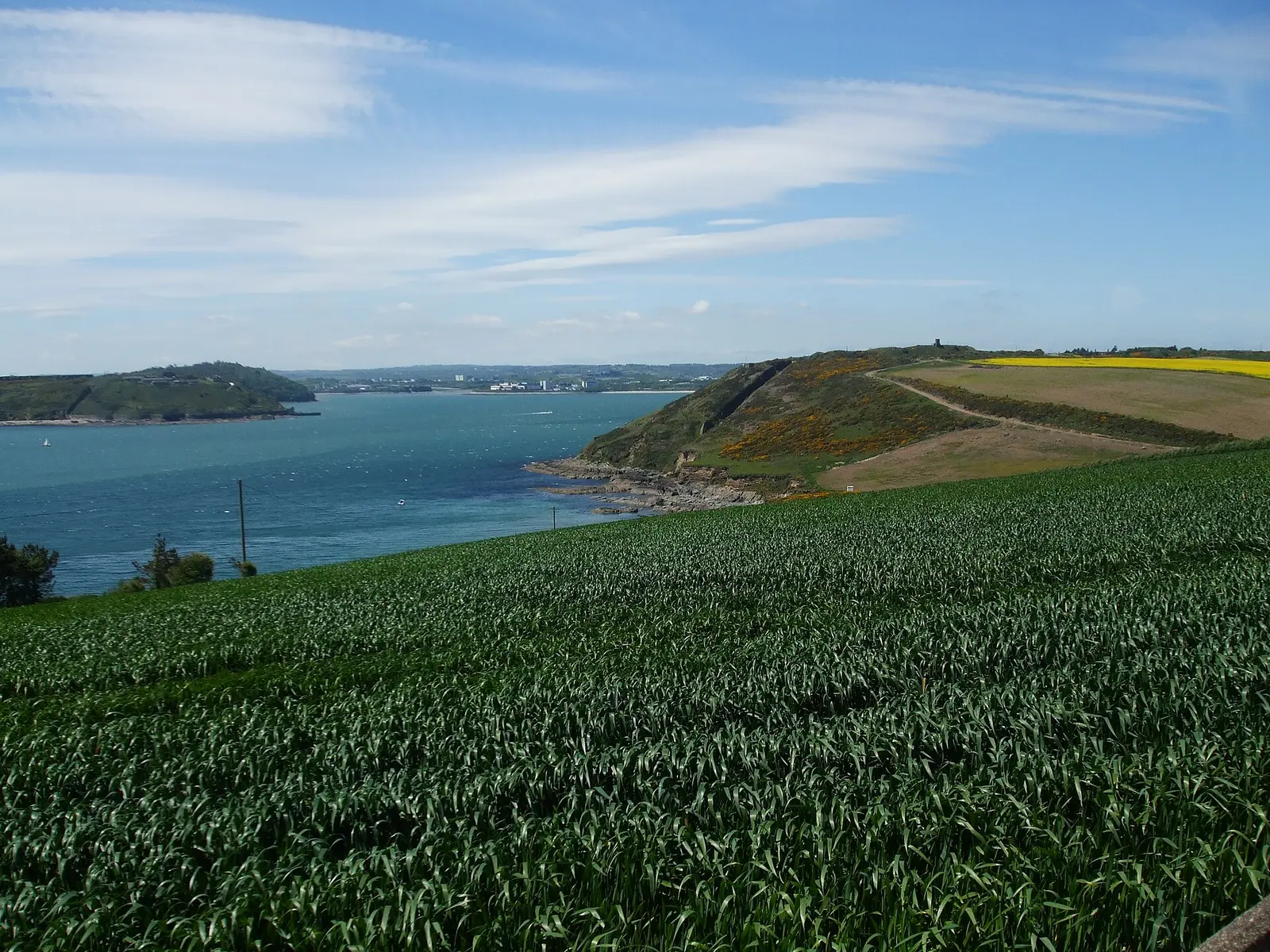
Farming regions of Ireland
- The south and Munster – dairy farms with seasonal rotational grazing, modern milking parlors and dairy cooperatives.
- The midlands – beef cattle, suckler cows and cattle marts.
- The west – sheep and lambs, smaller farms on poorer soils.
- The east and southeast – malting barley, cereals and potatoes.
What sets Ireland apart
Cows spend most of the year at grass, and calving is concentrated in spring so that peak lactation matches the best grass growth. Feed costs are low and labor is well organized. After milk quotas ended in 2015, milk production rose sharply. Most milk is collected by farmer-owned cooperatives, and about 90% of dairy products are exported. Farmers make wide use of discussion groups and benchmarking.
When to go
- February–April – calving season, start of grazing,
- May–July – peak grass growth, rotational grazing in practice,
- August–September – barley harvest, cattle and sheep marts.
Frequently asked questions
What documents do we need? Entry requirements depend on your nationality.
Is it easy to talk with the farmers? Yes. Irish farmers are happy to share their experience, and an agriculture-literate tour leader interprets during visits where needed.
How many days should we plan? We recommend 5–7 days, for groups from 5 people. The program can include Dublin, the Cliffs of Moher and the Ring of Kerry.