
 Farm tours in Estonia
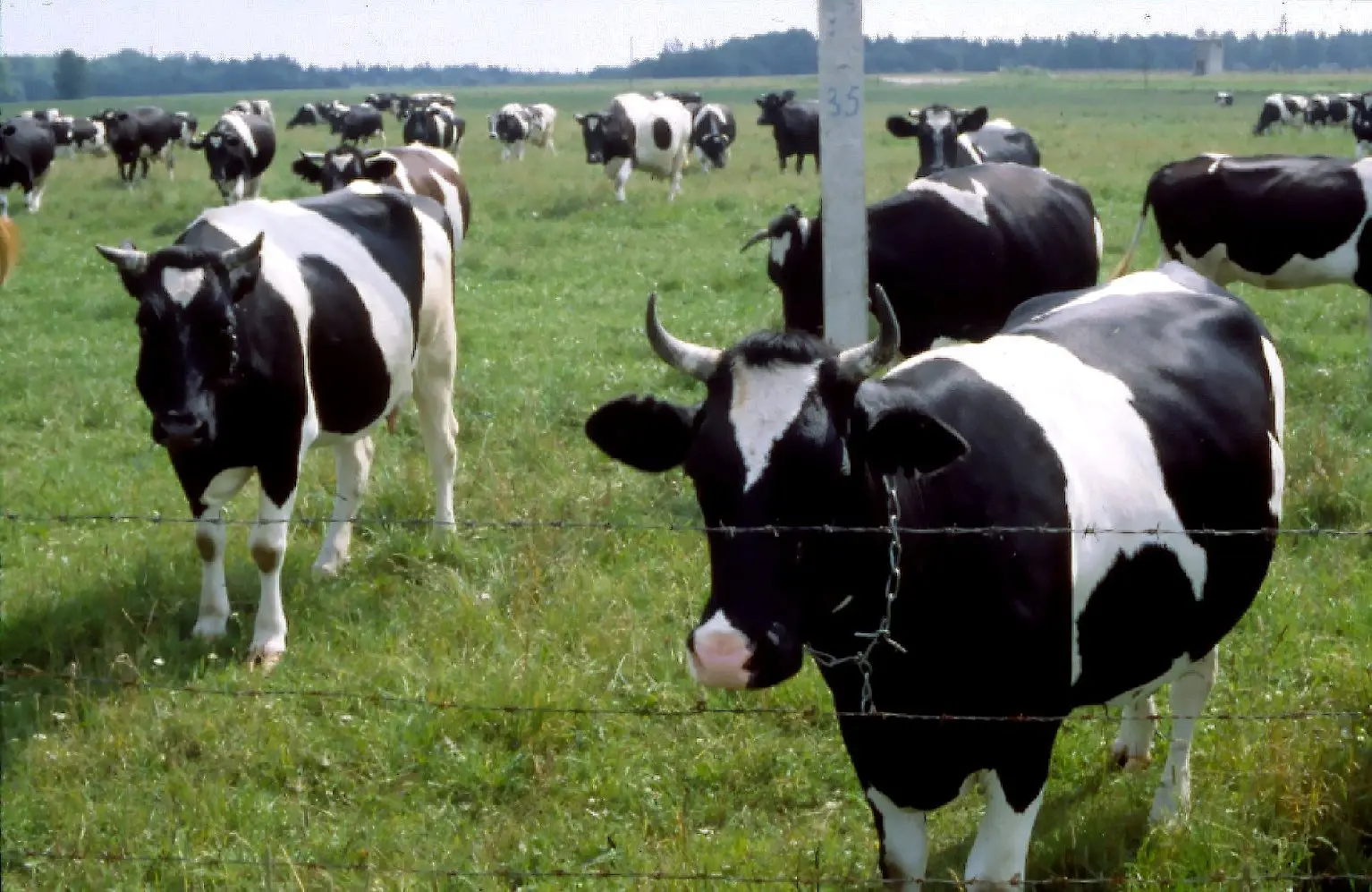
Farming regions of Estonia
- Central and northern Estonia – large dairy farms with rotary parlors, and grain and rapeseed farms with dryers and storage.
- Southern Estonia – smaller farms, organic production, cheese dairies and local processing.
- Forest areas across the country – farms that combine agriculture with forestry and biomass for energy.
What sets Estonia apart
Estonian herds are among the most productive in the EU, averaging more than 10,000 kg of milk per cow per year, and production is dominated by large, modern farms. The growing season is short, so variety choice and harvest organization must be very efficient. About 20% of farmland is certified organic. Payment applications and registers are handled online, which cuts paperwork. Forests cover more than half of the country. After 1991, competitive farms emerged from former collective farm structures. Grain is exported through Baltic ports.
When to go
- May–June – sowing, start of grazing and long days,
- July–August – harvest and the best weather,
- September – dryers and storage in full operation, winter crop sowing.
Frequently asked questions
What documents do we need? Entry requirements depend on your nationality. Check the current rules before you travel.
How do we get there? International flights from your home country are arranged or quoted separately. Estonia also combines well with Lithuania and Latvia in one coach program, with additional visits along the way.
How many days should we plan? We recommend 6–8 days, with time for Tallinn. An agriculture-literate tour leader interprets during farm visits.