
 Farm tours in Denmark
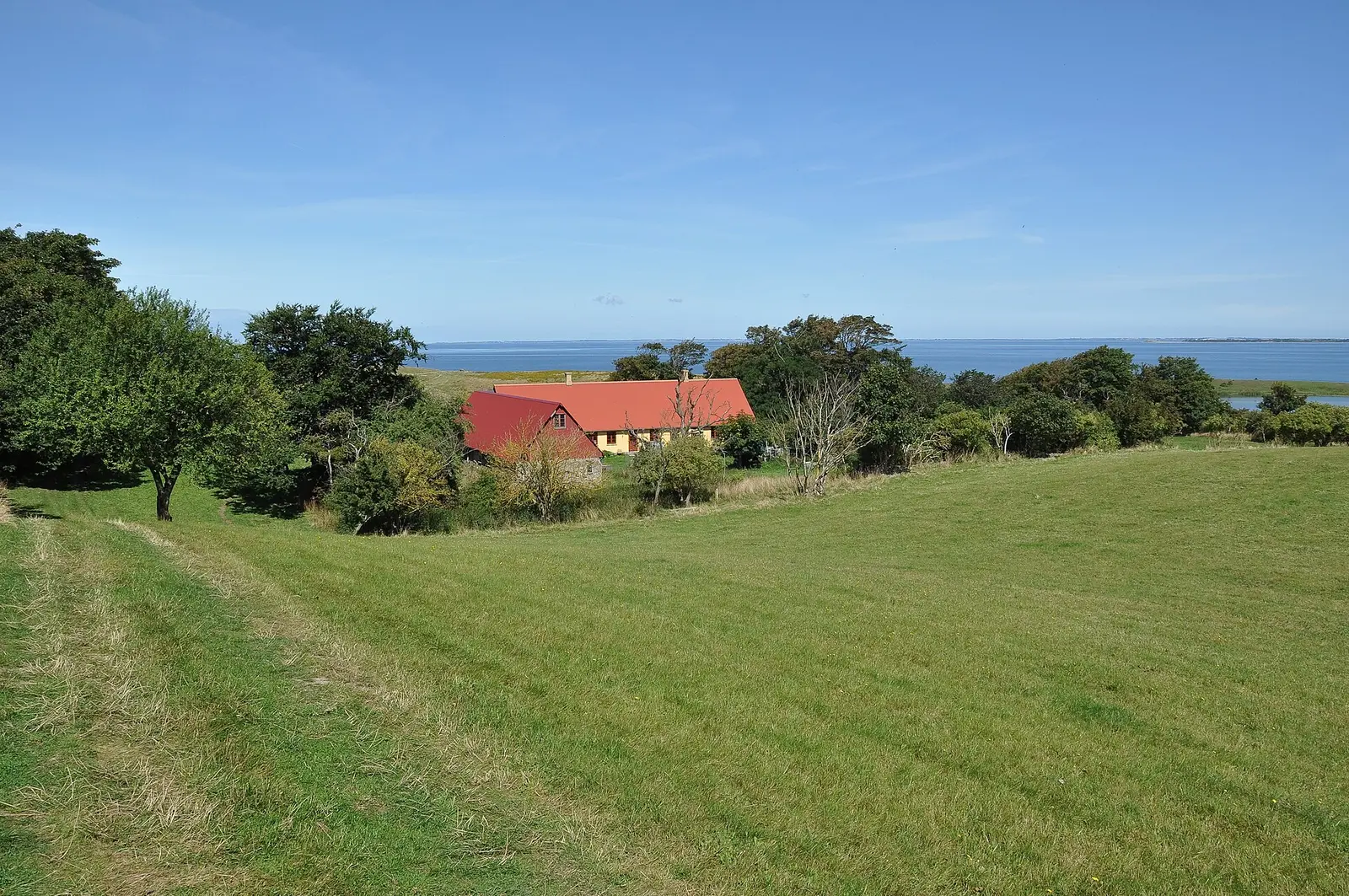
Farming regions of Denmark
- Jutland – sow farms and finishing units, barns with milking robots, biogas plants and organic farms.
- Funen and Zealand – fertile soils, grain and rapeseed on farms using precision agriculture.
- Lolland and Falster – sugar beet and grain on the southern islands.
What sets Denmark apart
For more than 100 years Danish farmers have co-owned their dairies and slaughterhouses, and the advisory service collects farm data for comparisons and benchmarking. Average yield exceeds 10,000 kg of milk per cow per year, and in pig production the key figures are piglets weaned per sow and herd health. Strict nitrogen and water rules have driven changes that other EU farmers now face under the Green Deal: variable-rate fertilization, cover crops and precise nitrogen balancing. Slurry increasingly goes to biogas plants, and the digestate returns to the fields as fertilizer.
When to go
- April–June – sowing, grazing and good conditions for barn and pig unit visits,
- July–August – grain and rapeseed harvest,
- October–March – farms run as usual, so a livestock tour can also be planned in winter.
Frequently asked questions
How do we get to Denmark? International flights from your home country are arranged or quoted separately. Copenhagen is the main airport.
What documents do we need? Entry requirements depend on your nationality. Check the current rules before you travel.
Do pig farm visits require preparation? Yes. Danish farms follow strict biosecurity, so before the visit you must observe the pig-free period required by the host. An agriculture-literate tour leader interprets during farm visits.