
 Farm tours in Corsica
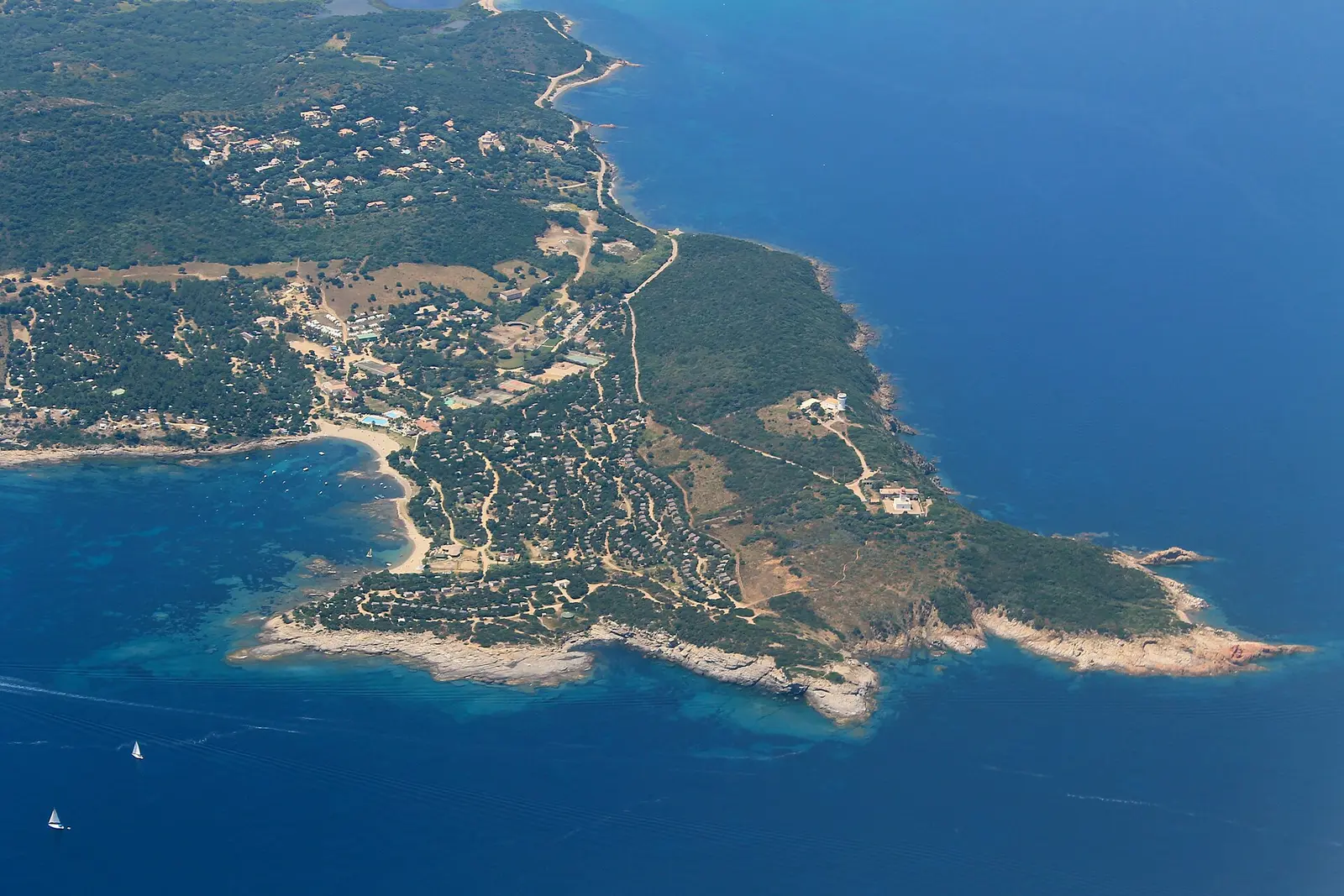
Farming regions of Corsica
- The eastern plain – orchards of clementines sold with their leaves, packing houses and shipping to the mainland.
- The mountainous interior – sheep and goat herding, brocciu whey cheese, and free-range Nustrale pigs in oak and chestnut forests.
- Castagniccia – chestnut trees, drying houses and mills producing chestnut flour.
- Patrimonio and the Ajaccio area – designation-of-origin vineyards with native grape varieties, olive groves and mills.
What sets Corsica apart
Mountains cover most of the island, so intensification is impossible and farms focus on processing and direct sales. Native Nustrale pigs are finished on acorns and chestnuts, and their meat becomes the cured charcuterie lonzu, coppa and prisuttu. A clementine with its leaves is a sign of freshness and a mark of distinction on the market. For centuries the chestnut was the island's bread tree, and its cultivation is now reviving. Beekeepers sell maquis honeys with a protected name. Corsica is part of France, so EU rules apply.
When to go
- September – grape harvest,
- October–November – chestnut harvest,
- November–January – clementine harvest,
- winter and spring – milking of sheep and goats and brocciu production.
Frequently asked questions
What documents do we need? Entry requirements depend on your nationality.
Does the program work for livestock farmers? Yes. Herding farms and cheese dairies show small scale with high added value. An agriculture-literate tour leader interprets during farm visits.
How many days should we plan? We recommend 5–7 days, with time for Bonifacio.