
 Farm tours in Bulgaria
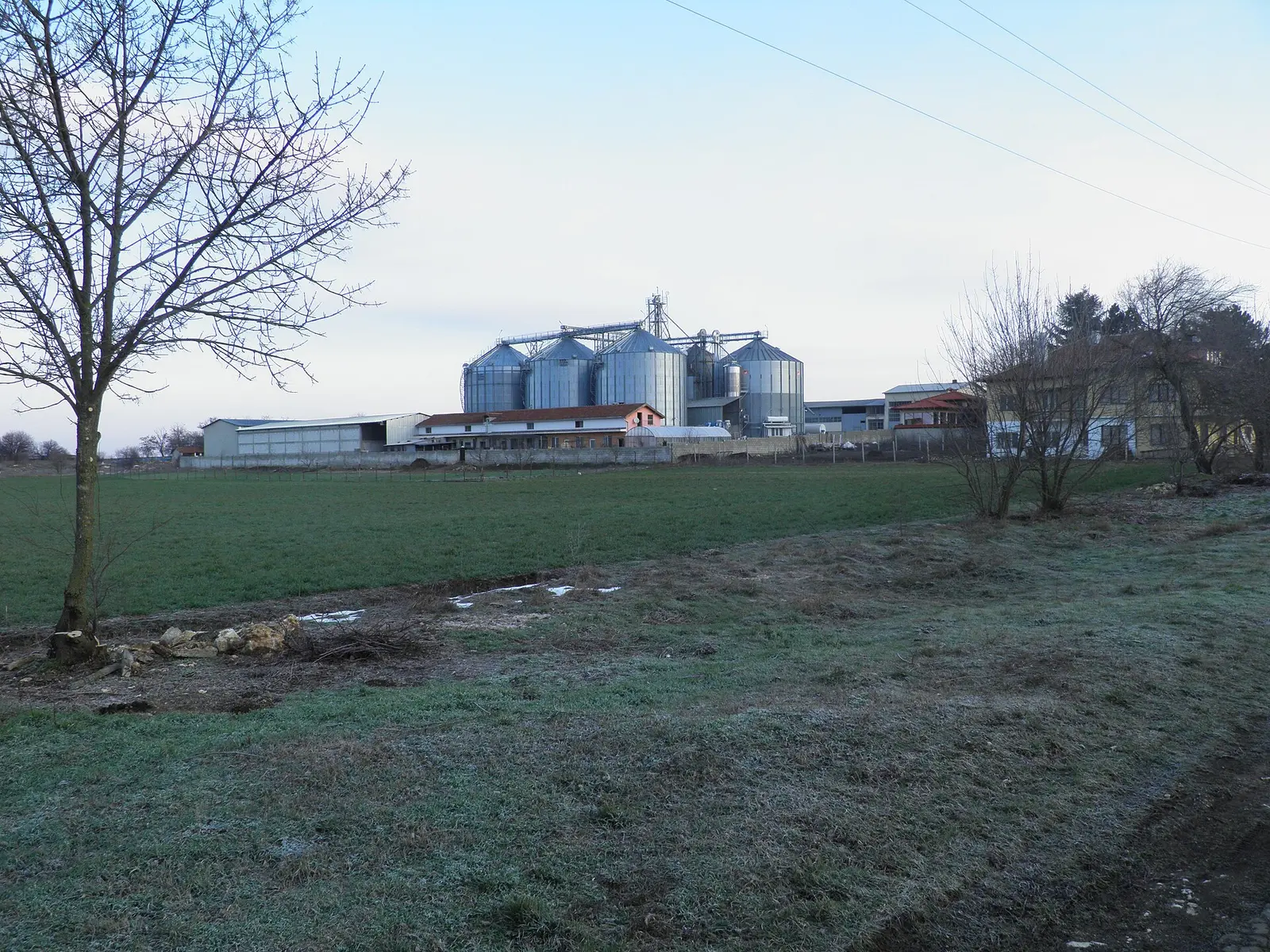
Farming regions of Bulgaria
- Dobrudzha and the Danubian Plain – wheat, corn and sunflower on thousands of hectares, storage facilities and dryers.
- Rose Valley around Kazanlak – oil rose and lavender plantations, essential oil distilleries.
- Upper Thracian Plain around Plovdiv – field and protected vegetables, peach, sour cherry and sweet cherry orchards.
- Wine regions – vineyards with native varieties and family wineries.
What sets Bulgaria apart
Large arable farms often work land leased from many owners, which calls for a different kind of management than a family farm. Bulgaria is one of the largest sunflower producers in the EU. The country has a strong dairy tradition: the bacterium Lactobacillus bulgaricus is named after it, and soured milk and brined cheeses are part of everyday cooking.
When to go
- late May–June – oil rose harvest in the Rose Valley,
- June–July – lavender bloom and harvest,
- August–September – sunflower and corn harvest, start of the grape harvest.
Frequently asked questions
What documents do we need? Entry requirements depend on your nationality. Check the current rules before you travel.
What else is there besides farms? We combine the program with Sofia, the Rila Monastery, the mountains and the Black Sea coast.
Who interprets during visits, and how many days should we plan? An agriculture-literate tour leader interprets during farm visits. We recommend 6–8 days, for groups from 5 people.