
 Farm tours in Bosnia and Herzegovina
Farming regions of Bosnia and Herzegovina
- Bosnian foothills – raspberry plantations, plum orchards, fruit cold stores and freezing plants, and prune dryers.
- Semberija and Posavina – corn, wheat and field vegetables on the northern lowlands, with larger farms and processing.
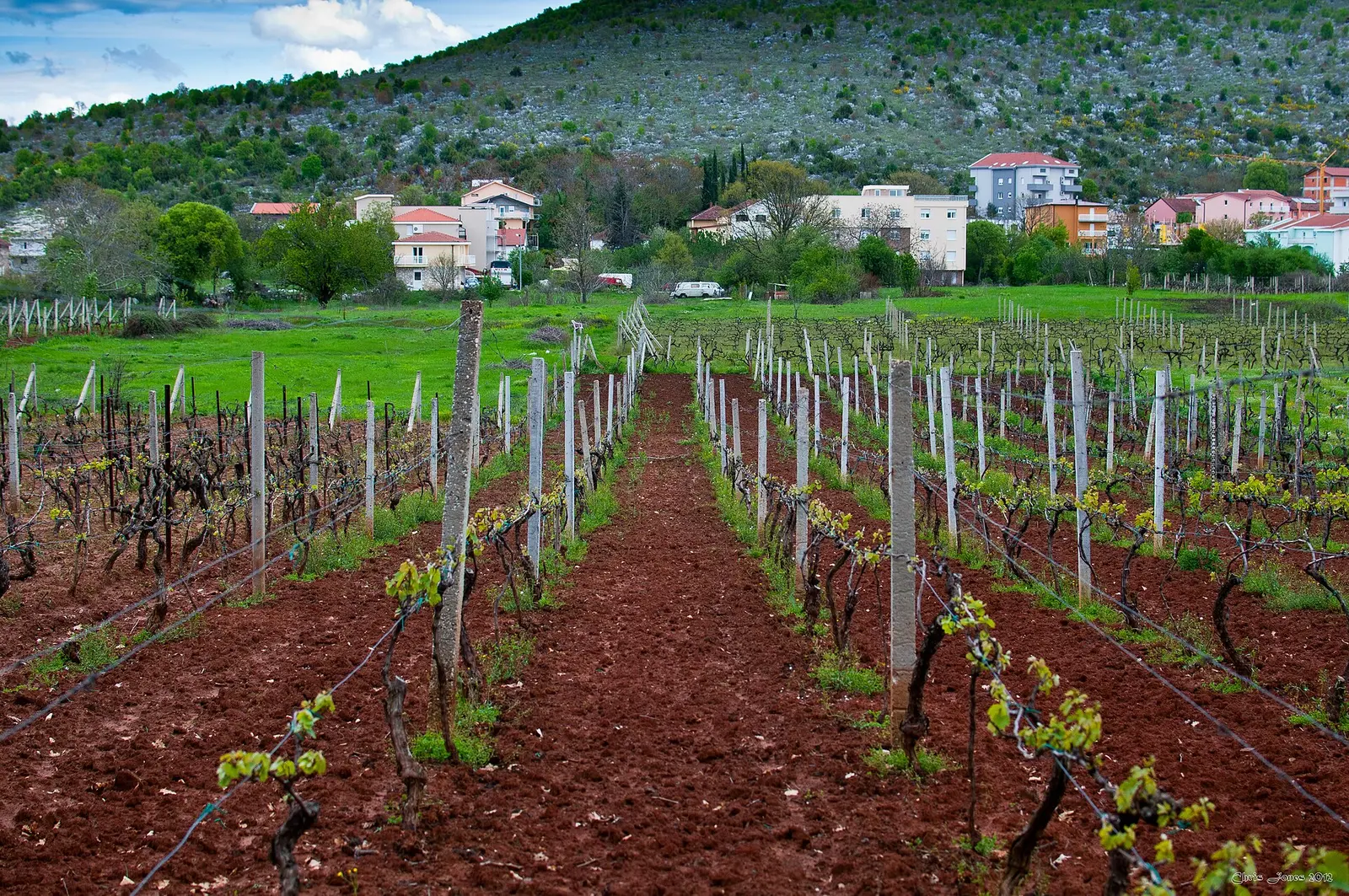
- Herzegovina and the Neretva Valley – Žilavka and Blatina vineyards, figs, pomegranates, peaches and vegetables.
- Around Livno and Travnik – family dairy farms, cheese dairies and apiaries producing mountain honey.
What sets Bosnia and Herzegovina apart
Farms are small, and smallholders sell fruit through cooperatives and collection centers that handle freezing and logistics. On-site processing plays a big role: prunes, plum butter, juices and rakija add value to the raw product. Traditional cheeses, including sir iz mijeha matured in a skin sack, carry a strong regional brand. The country is an EU candidate and is still adapting its standards. Herzegovina already has a Mediterranean climate, while the north has a continental climate.
When to go
- June–July – raspberry harvest and cold stores in operation,
- August–September – plum harvest, drying and processing,
- September–October – grape harvest in Herzegovina.
Frequently asked questions
What documents do we need? Entry requirements depend on your nationality. Check the current rules before you travel.
Are conversations with farmers interpreted? Yes. An agriculture-literate tour leader interprets during farm visits.
How many days should we plan? We recommend 6–8 days, with time for Mostar and Sarajevo.