
 Farm tours in Belgium
Farming regions of Belgium
- Flanders – farrow-to-finish pig units, barns with milking robots, greenhouses with tomatoes, peppers, strawberries and chicory.
- Haspengouw (Hesbaye) – Conference pear and apple orchards, controlled-atmosphere storage.
- Wallonia – sugar beet, wheat, flax and potatoes on large arable farms.
- Western Belgium around Tournai – potatoes and vegetables grown on contract for frozen-food and fries plants.
What sets Belgium apart
Farms are small but very intensive, and they operate under strict nitrate and emission rules. Limits on ammonia emissions and tight control of fertilization, which are only starting in many countries, are everyday reality in Belgium. Fruit and vegetables are sold through cooperative clock auctions, and potatoes and processing vegetables are grown mainly on contract. Belgium is one of the world's leading exporters of frozen vegetables and potato products. Livestock farmers will be interested in the Belgian Blue breed, known for its very heavy muscling.
When to go
- April–June – orchards in bloom, work in greenhouses and fields,
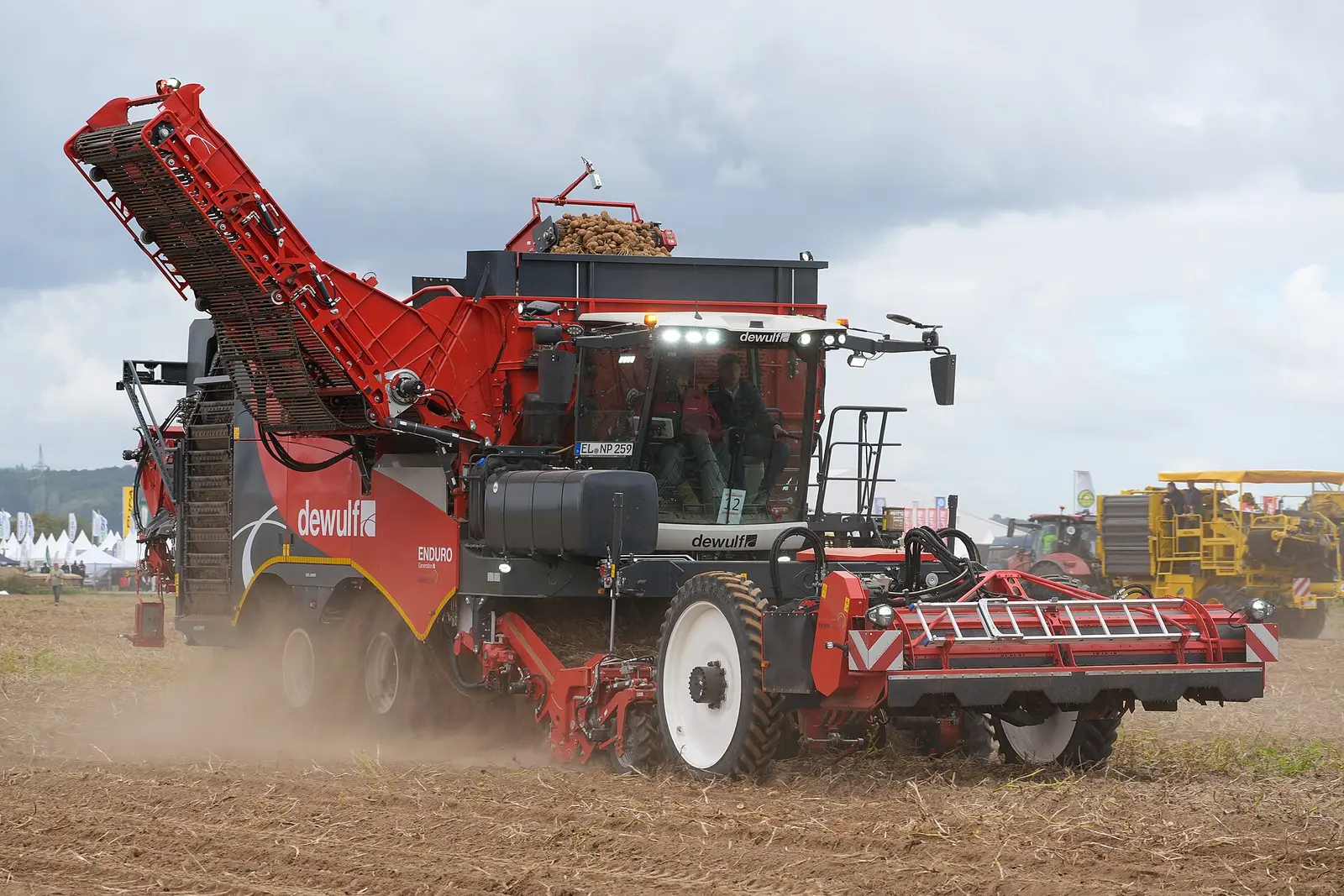
- 8–9 September 2027 – the PotatoEurope show in Tournai,
- August–October – pear and apple harvest, potato lifting.
Frequently asked questions
How do we get to Belgium? International flights from your home country are arranged or quoted separately. Brussels is the most convenient airport.
What documents do we need? Entry requirements depend on your nationality. Check the current rules before you travel.
Can we visit the EU institutions? Yes. In Brussels we can plan a visit to the European Parliament and a discussion about the Common Agricultural Policy.