
 Farm tours in Albania
Farming regions of Albania
- Coastal plains around Fier and Divjaka – the center of greenhouse and tunnel production of tomatoes, cucumbers and peppers for export.
- The south – mandarin, orange and lemon orchards, plus figs and pomegranates.
- Around Berat – olive groves, oil mills and family vineyards with local grape varieties.
- The mountains – sheep and goat grazing, sheep and goat cheeses, and wild-harvested sage and oregano.
What sets Albania apart
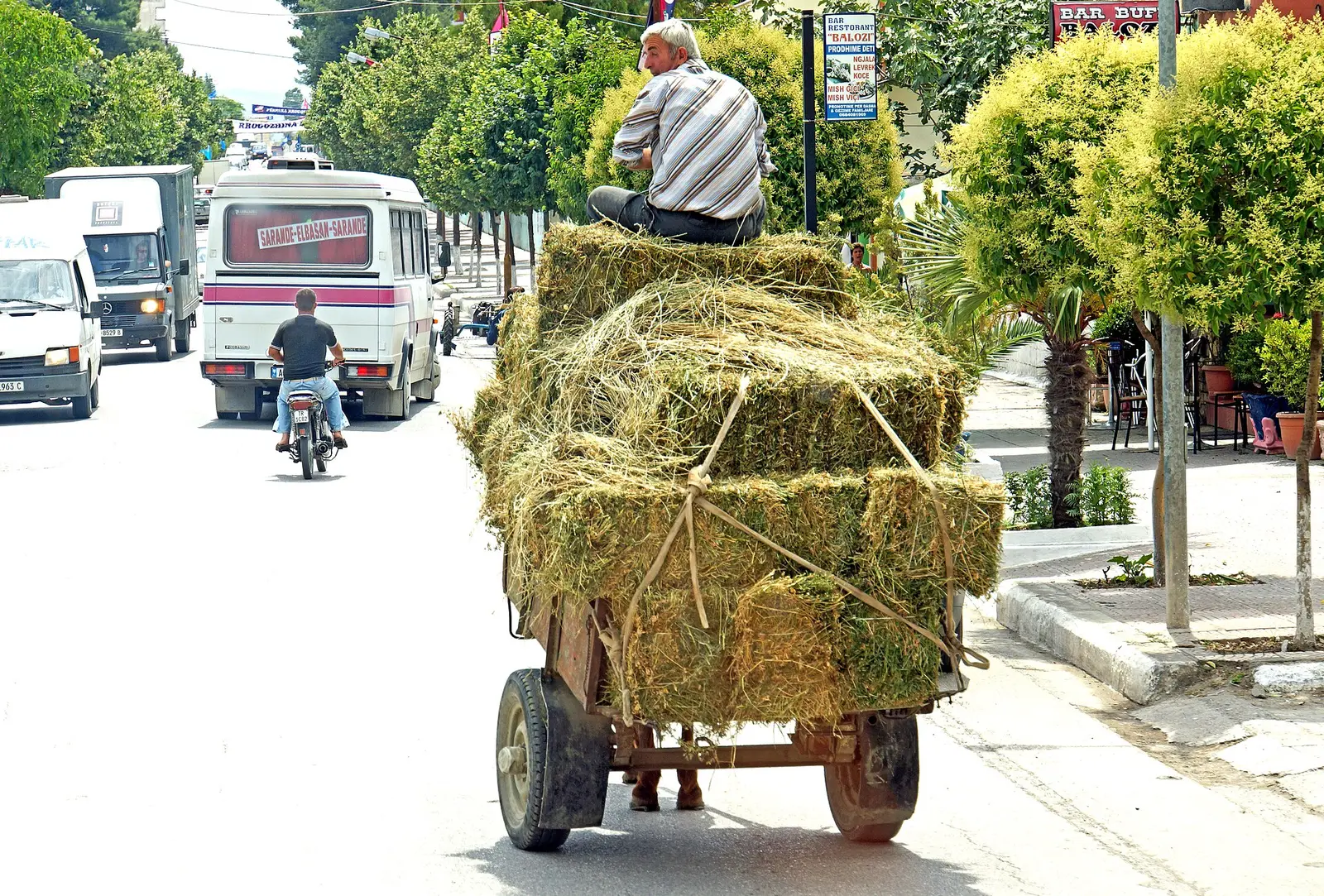
Farms are small and family-run, and much of the produce reaches markets and buyers through middlemen. As an EU candidate country, Albania is still adapting its processing and quality standards. It is an important herb exporter, with much of the harvest still gathered from the wild, although plantations and drying facilities are growing in number. The Mediterranean climate allows olives, citrus and grapes, but requires summer irrigation and frost protection in orchards. In the mountains, seasonal livestock migration is still practiced.
When to go
- April–June – spring, greenhouses in full production and the herb harvest,
- September–October – grape harvest and mild weather,
- October–December – olive harvest and the start of the citrus season.
Frequently asked questions
What documents do we need? Entry requirements depend on your nationality. Check the current rules before you travel.
Are conversations with farmers interpreted? Yes. An agriculture-literate tour leader interprets during farm visits.
How many days should we plan? We recommend 7–8 days, with time for Berat, the Riviera and the Albanian Alps.