
 Farm tours in Trinidad and Tobago
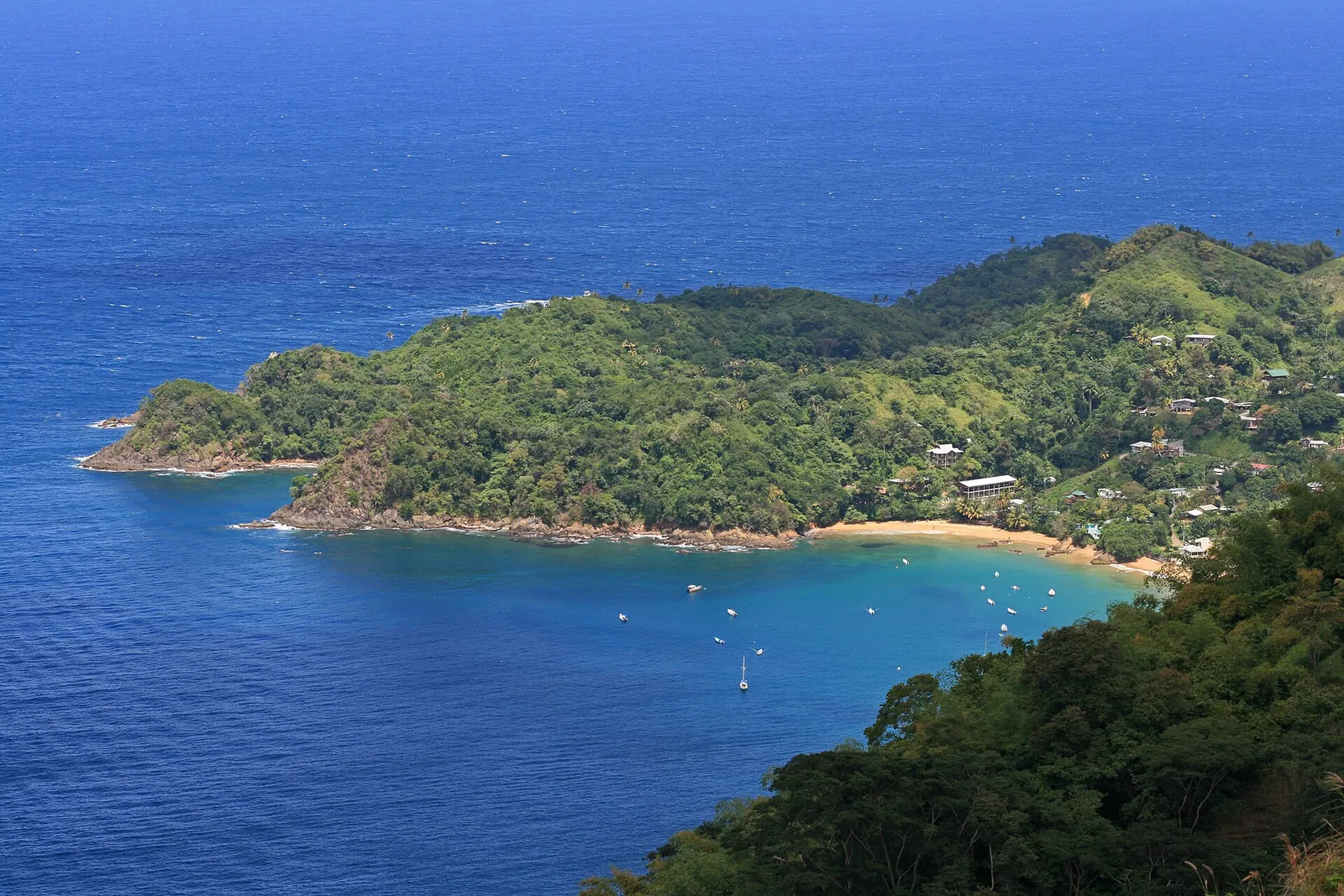
What to see
- Cocoa plantations – growing, fermenting and drying the beans, then chocolate workshops.
- Vegetable farms – vegetables, herbs and hot peppers for the local market and for processing.
- Tropical orchards and coconuts – citrus, mango and coconut palms, often on small farms.
- Fishing ports and markets – traditional boats, fish markets and the farmers market in Port of Spain.
What sets Trinidad and Tobago apart
Agriculture is not the main branch of the economy here, and farms are usually small and geared to the local market. The tropical climate allows harvests all year, and the farming calendar follows the dry and rainy seasons. African, Indian, European and Chinese influences show in the islands' crops, cuisine and farming traditions. Chocolate made from home-grown cocoa shows that even a small producer can sell a finished product instead of a raw commodity.
When to go
- January–May – dry season, the easiest time for farm visits,
- February or early March – Carnival in Port of Spain, the date changes every year,
- June–December – rainy season, high humidity and frequent downpours.
Frequently asked questions
What documents do I need? Entry requirements depend on your nationality. Check the current rules before you travel.
Is the program only about cocoa? No. We combine cocoa with horticulture, fishing and nature, for example the Caroni bird sanctuary and the beaches of Tobago.
Who interprets, and how many days should we plan? An agriculture-literate tour leader interprets during visits. We recommend 7–9 days, for groups from 5 people.