
 Farm tours in Puerto Rico
Farming regions of Puerto Rico
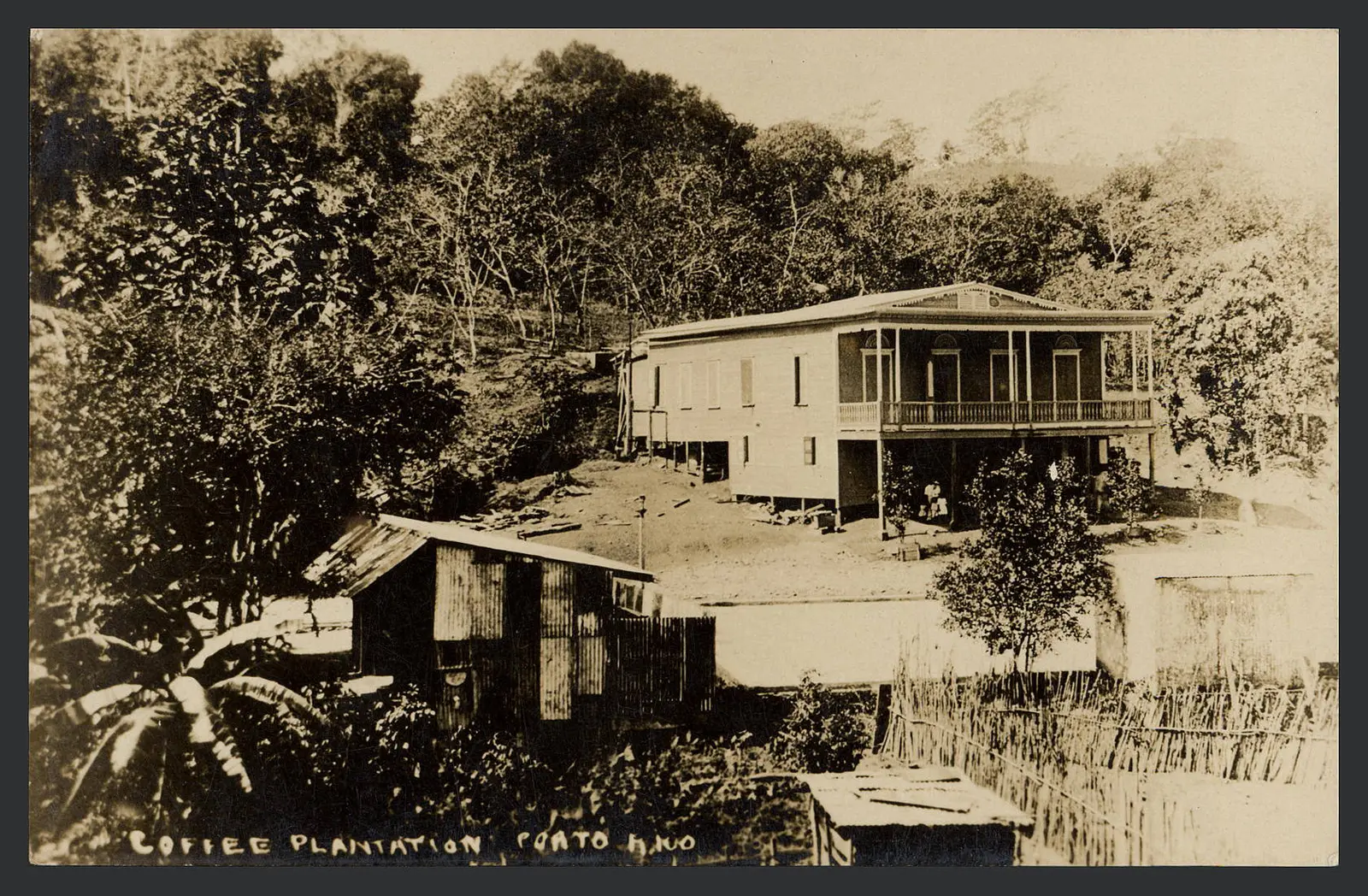
- The inland mountains – coffee haciendas with shade-grown coffee, bean processing and roasteries.
- The north coast – dairy farms, one of the most important branches of the island's agriculture.
- Lowlands and valleys – plantains, bananas, pineapples, mango, avocado and citrus for the local market.
- Around the cities – hydroponics, tunnels and greenhouses growing leafy greens and herbs for restaurants and stores.
What sets Puerto Rico apart
The island imports most of its food, so local farmers compete on freshness, direct sales and the "product of Puerto Rico" label. Dairy cows need protection from heat and humidity, so cooling the animals matters as much as feeding them. Many farms bet on crop diversity and agroforestry, because a single storm can wipe out a year's work. Processing coffee, cocoa and fruit into premium products brings extra income, and farmers markets let growers sell without middlemen.
When to go
- December–April – dry season and the most pleasant weather,
- September–January – coffee harvest in the mountain haciendas,
- June–November – hurricane season, a harder time to plan.
Frequently asked questions
What documents do I need? Puerto Rico is a US territory, so US entry rules apply. Entry requirements depend on your nationality; check the current rules before you travel.
Are conversations with farmers interpreted? Yes. An agriculture-literate tour leader interprets during visits.
How many days should we plan? We recommend 7–9 days, with time for Old San Juan and the El Yunque rainforest.