
 Farm tours in Panama
Farming regions of Panama
- Chiriquí – cattle ranches on the plains and coffee plantations on the slopes of the Barú volcano around Boquete, including Geisha varieties.
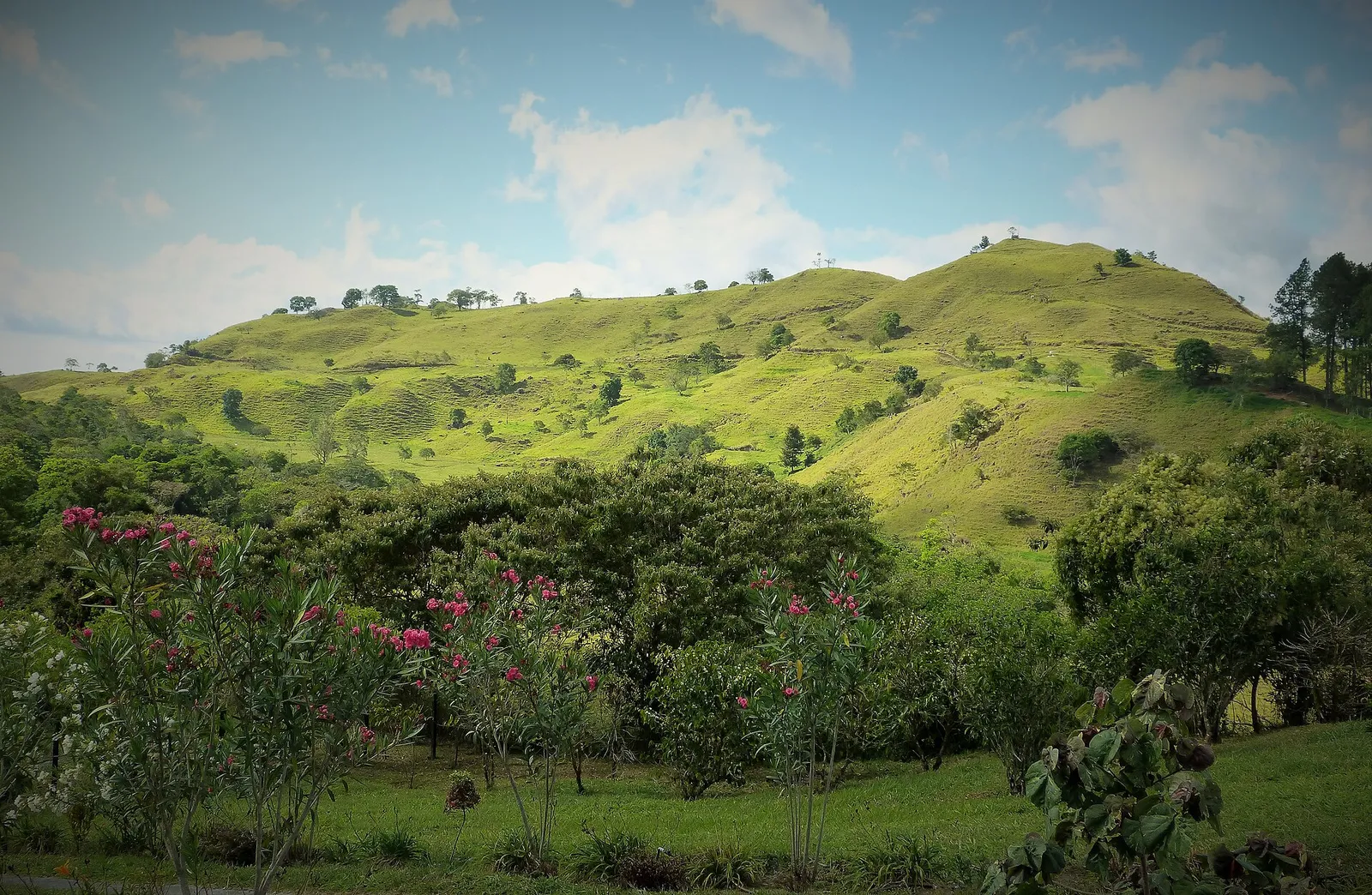
- Los Santos and Veraguas – beef cattle on tropical grass pastures.
- The central region – rice and corn, mechanization and water management.
- Bocas del Toro and the coastal lowlands – banana and pineapple plantations with packhouses for refrigerated shipping.
What sets Panama apart
Cattle graze all year, and tropical breeds and rotational grazing replace barn feeding. Boquete coffee is among the most highly prized in the world and goes straight to roasters abroad, which shows how much quality and origin are worth. The economy relies largely on services and trade around the Canal, while farming mainly supplies the domestic market – rice is the staple of the Panamanian diet. One program can take in the Pacific coast, the Caribbean Sea and mountain valleys.
When to go
- December–April – dry season on the Pacific side, the best conditions for travel,
- November–March – coffee harvest in the Chiriquí highlands,
- May–November – rainy season, lush pastures.
Frequently asked questions
How do we get to Panama? Flights from your home country are arranged or quoted separately. An agriculture-literate tour leader interprets during visits.
Is the Panama Canal in the program? Yes. The Miraflores or Agua Clara locks show how one of the world's most important trade routes works.
What documents do I need? Entry requirements depend on your nationality. Check the current rules before you travel.