
 Farm tours in Cuba
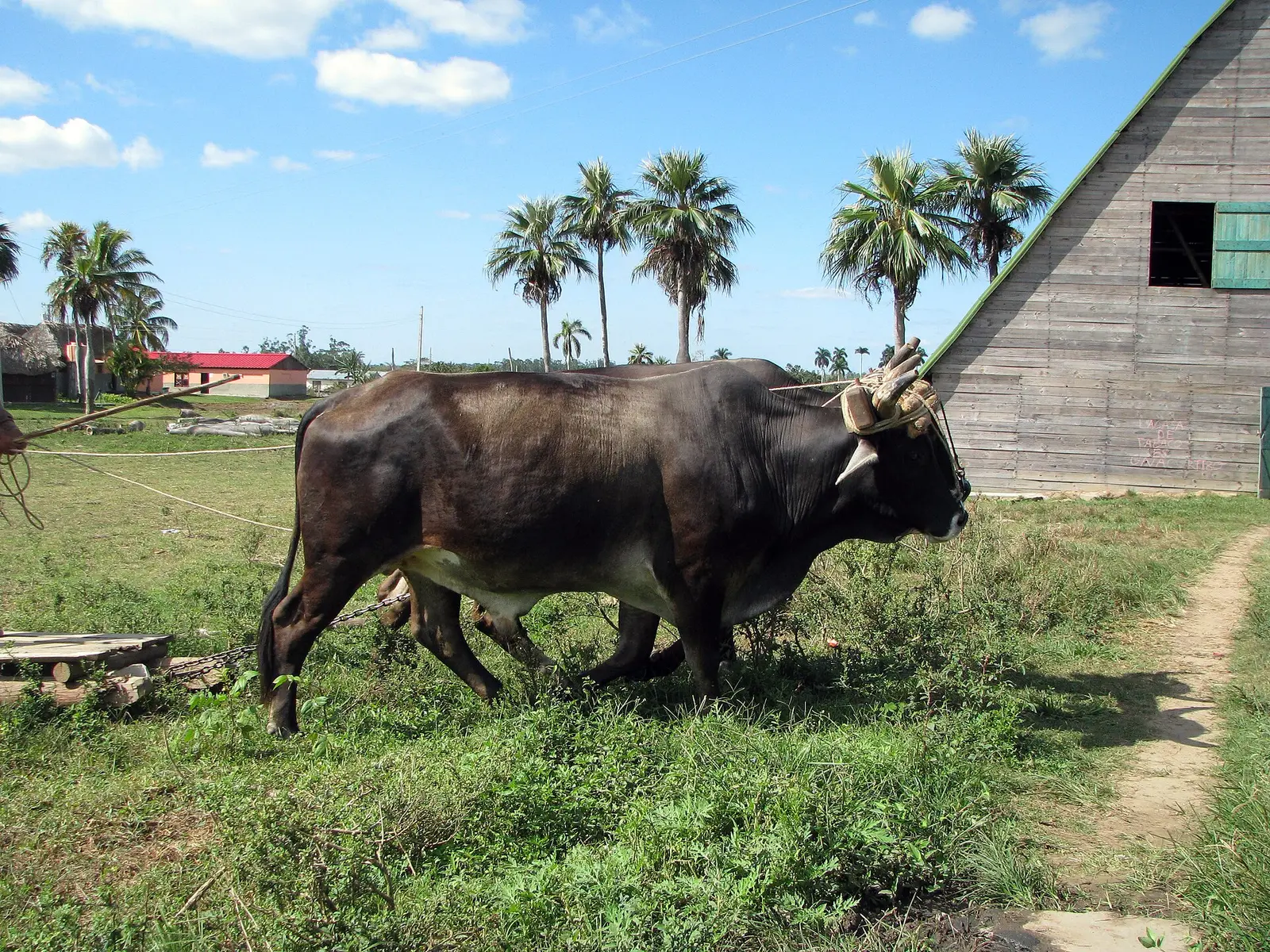
Farming regions of Cuba
- Pinar del Río and the Viñales Valley – the Vuelta Abajo region, birthplace of cigar tobacco, with family plantations and curing barns.
- Havana and other cities – organopónicos, urban gardens growing vegetables on raised beds and selling at the field edge.
- Around Trinidad – the Valley of the Sugar Mills, the history of sugarcane and rum production.
- The east of the island – coffee in the Sierra Maestra mountains and cocoa around Baracoa.
What sets Cuba apart
After the crisis of the 1990s, Cuban farmers had to learn to produce without imported fertilizers and crop protection products. Hence composting, vermiculture, biological preparations and intercropping, practices most visitors know mainly from organic farms. Cooperatives and small producers, not large companies, are the backbone of food production. Supplies and access to machinery look completely different from Europe, and you see it in the daily work of every farm. Tropical fruit and citrus are grown mainly for the local market. Three farming landscapes – the Viñales Valley, the Valley of the Sugar Mills and the old coffee plantations in the east – are UNESCO World Heritage sites.
When to go
- November–April – dry season and milder temperatures,
- January–March – tobacco leaf harvest and curing in Pinar del Río,
- June–November – rainy season and hurricane season, a less convenient time.
Frequently asked questions
What documents do I need? Entry requirements depend on your nationality. Check the current rules before you travel.
Are conversations with cooperative members interpreted? Yes. An agriculture-literate tour leader interprets during visits.
How many days should we plan? We recommend 9–11 days to combine the west and east of the island with Havana.