
 Farm tours in Costa Rica
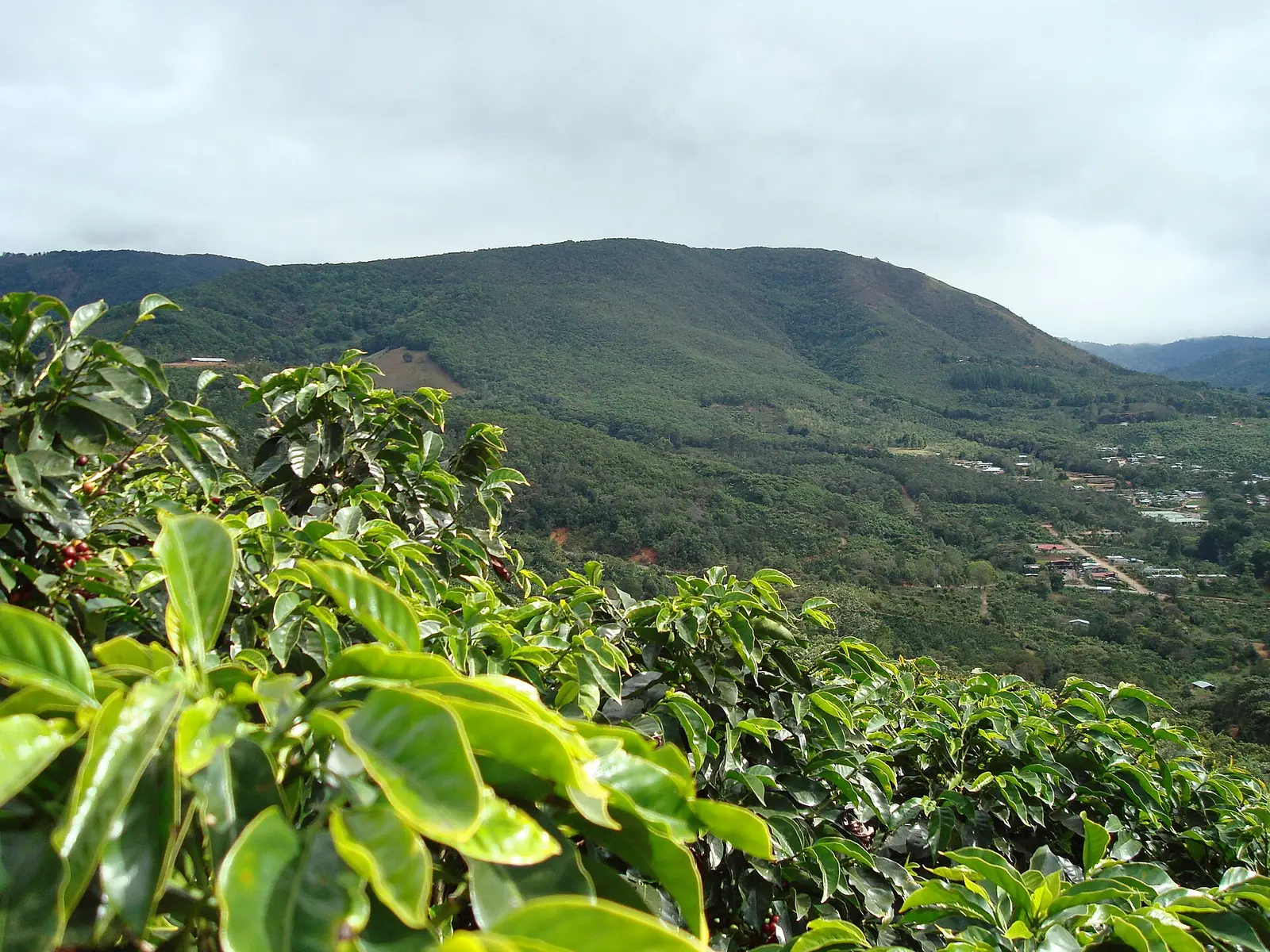
Farming regions of Costa Rica
- Central Valley and Tarrazú – arabica coffee plantations, hand picking, wet processing and micro-mills.
- Northern lowlands – large-scale pineapple plantations and export packhouses.
- Caribbean coast – banana plantations and shade-grown cocoa.
- Highlands and volcano slopes – dairy farms with Holstein-Jersey crosses, rotational grazing and dairy cooperatives.
What sets Costa Rica apart
Farmland here borders forests the country has restored, and farmers can receive payments for ecosystem services. Cows graze all year on tropical highlands, which changes feeding and costs compared with housed dairy systems. In coffee, quality and region of origin count, not volume. Export pineapple and banana production, in turn, fuels debate about the environmental impact of monocultures. Almost all electricity comes from water, wind and geothermal energy.
When to go
- December–April – dry season in the Central Valley and on the Pacific coast,
- November–February – coffee harvest on the mountain plantations,
- May–November – rainy season, lush green, but more frequent afternoon downpours.
Frequently asked questions
How do we get to Costa Rica? Flights from your home country are arranged or quoted separately. Distances in the country are short, but mountain roads lengthen travel times.
Is the country safe? Costa Rica is considered one of the safest and most stable countries in the region. An agriculture-literate tour leader interprets during visits.
What documents do I need? Entry requirements depend on your nationality. Check the current rules before you travel.