
 Farm tours in Bahamas
Farming regions of the Bahamas
- Andros – the largest island in the archipelago, vegetable farms and projects training young farmers.
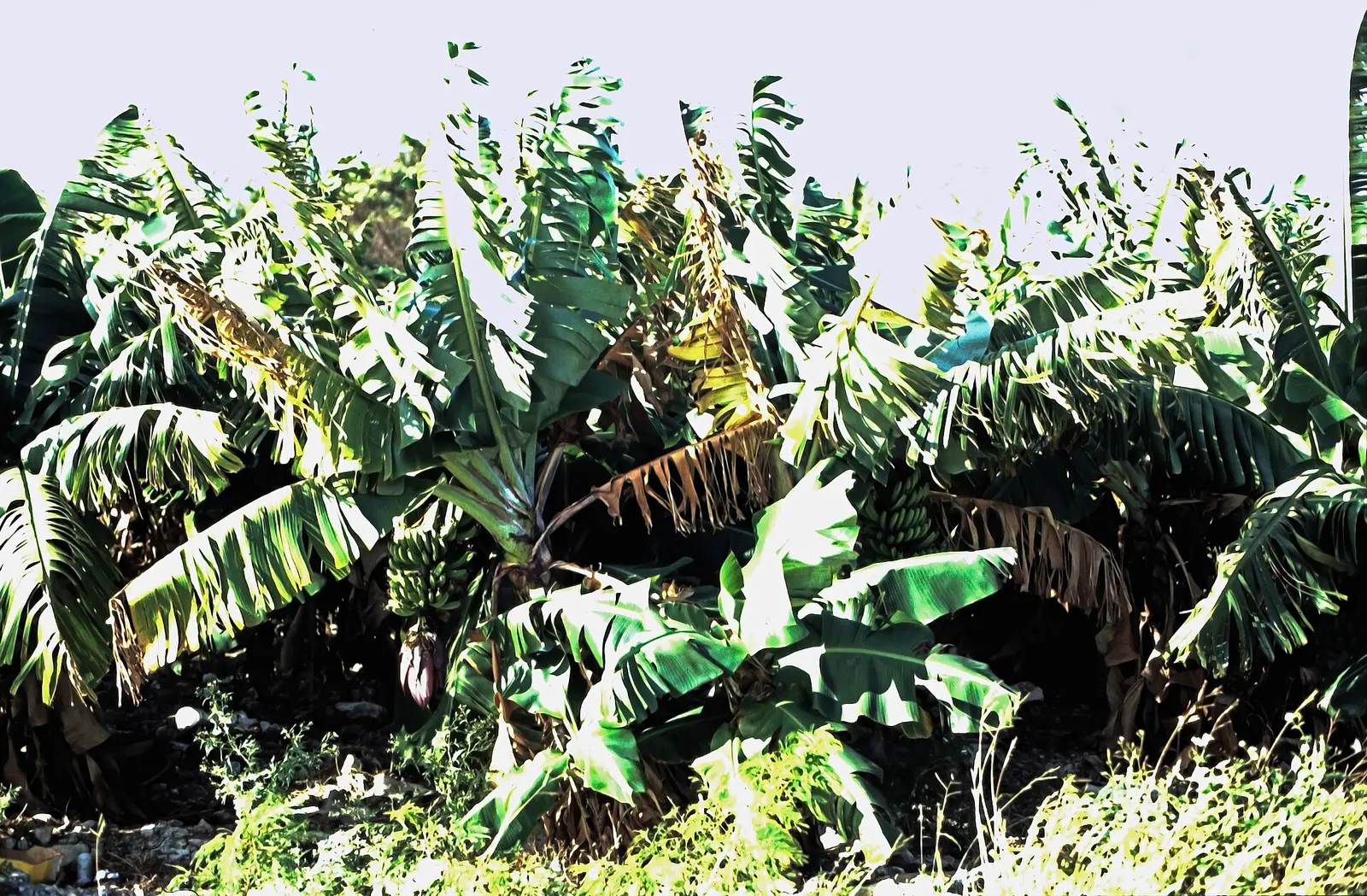
- Eleuthera – pineapples, citrus, mangoes and bananas on small family farms.
- New Providence and Nassau – hydroponic farms, greenhouses, local markets, with hotels and restaurants as the main buyers.
- The waters around the islands – Caribbean spiny lobster and conch fishing, cold stores and processing for export.
What sets farming in the Bahamas apart
There is very little soil and fresh water is precious, so many crops move into greenhouses and hydroponic systems. The greenhouses protect plants not from frost but from sun, heat and hurricanes. Fishing matters more than crops: Caribbean spiny lobster is the country's main export, and the catch is regulated by seasons and quotas. Small producers compete with cheap imports, so they build sales around hotels, restaurants and preserves made from local fruit.
When to go
- November–April – dry season and moderate heat, the best time for visits,
- August–March – spiny lobster season,
- June–November – hurricane season, harder to plan a trip.
Frequently asked questions
How do we get to the Bahamas? Flights from your home country are arranged or quoted separately. Between the islands you travel by small aircraft or ferry.
What documents do I need? Entry requirements depend on your nationality. Check the current rules before you travel.
Does the program cover several islands? Yes, but inter-island flights take time, so we recommend choosing two or three. An agriculture-literate tour leader interprets during visits.