
 Farm tours in New Zealand
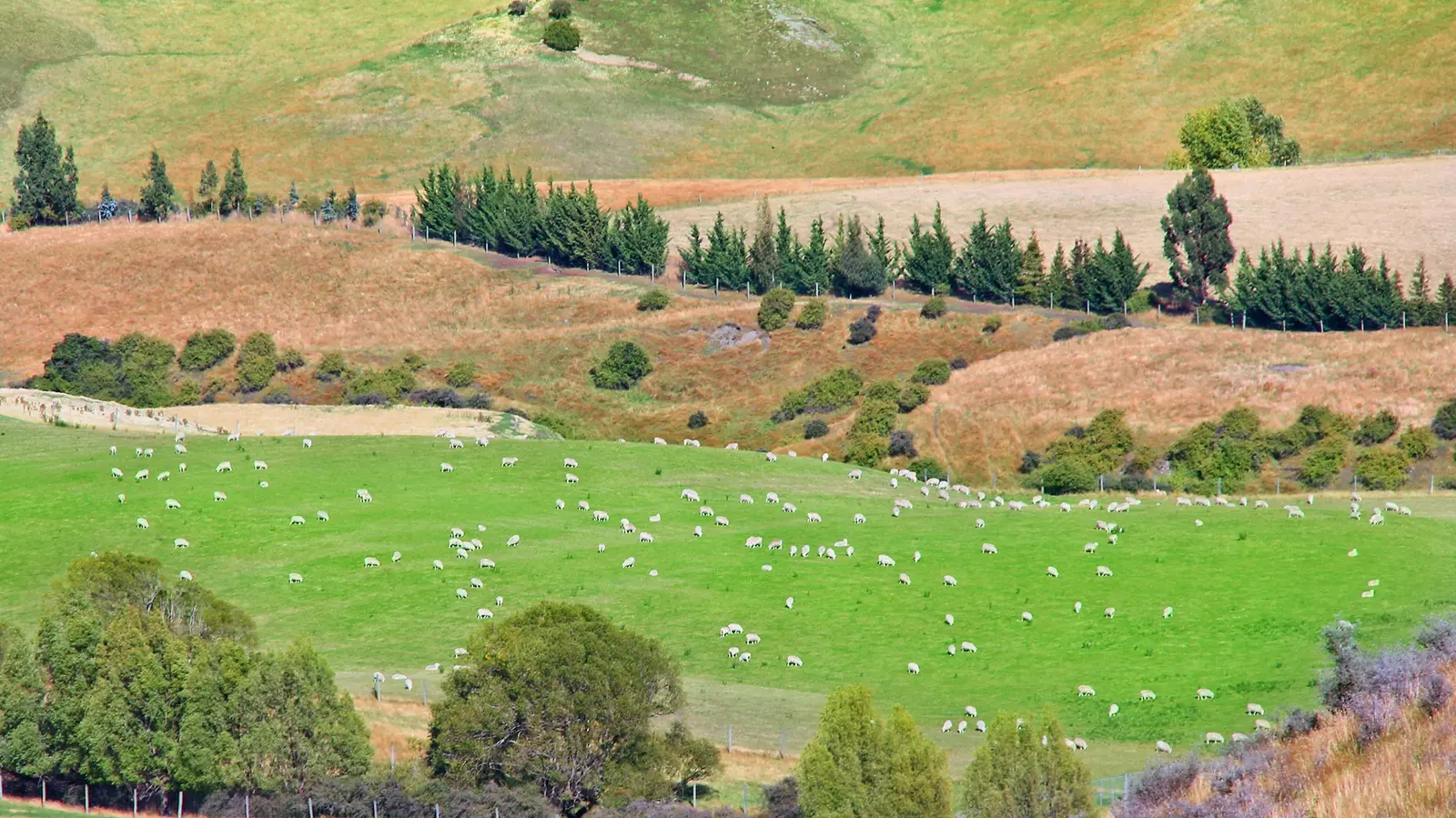
Farming regions of New Zealand
- Waikato and Taranaki on the North Island – pasture-based dairy farms with rotary parlors.
- Bay of Plenty, Hawke's Bay and Nelson – kiwifruit plantations and apple orchards with export packhouses.
- Marlborough and Central Otago – Sauvignon Blanc and Pinot Noir vineyards.
- The Canterbury Plains and South Island hills – irrigated grain, forage crops and grass and clover seed, with sheep, beef cattle and deer on the slopes.
What sets New Zealand apart
Cows graze outdoors all year, and farmers plan grazing by measuring pasture cover in each paddock. Calving is seasonal and matched to grass growth. Because budget support practically does not exist, farms benchmark their financial results with advisors and react quickly to the market. Milk and fruit are processed and sold by farmer-owned cooperatives. The country is also a leader in farmed deer for venison and velvet. As in the EU, pressure is growing to protect waterways and limit fertilizer use.
When to go
- August–September – calving on dairy farms,
- October–December – spring and early summer, peak pasture growth and sheep shearing,
- March–April – grape harvest, apple picking and the start of the kiwifruit harvest.
Frequently asked questions
What documents do I need? Entry requirements depend on your nationality. Check the current rules before you travel.
How long is the journey? It is one of the most distant destinations – from Europe the trip takes more than a day, with connections. Flights from your home country are arranged or quoted separately.
How many days should we plan? We recommend 12–14 days to see both islands. An agriculture-literate tour leader interprets during visits.