
 Farm tours in Australia
Farming regions of Australia
- The wheatbelt – wheat, barley and canola on thousands of hectares in Western Australia, South Australia and New South Wales, no-till and controlled traffic farming (CTF).
- Victoria – pasture-based dairy, rotary parlors and large herds with small staff.
- The Murray–Darling Basin – irrigated orchards and vineyards and the water rights market.
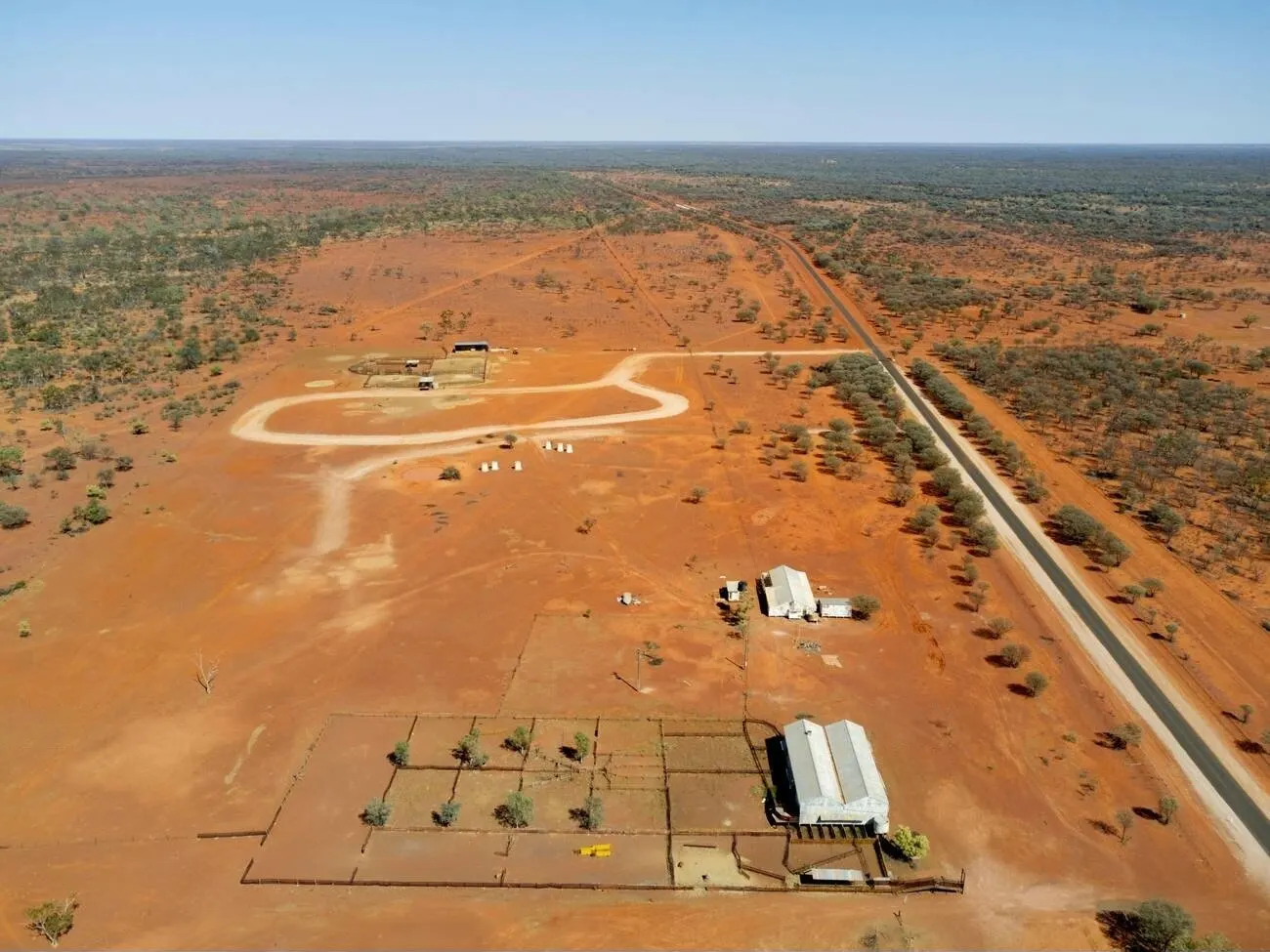
- Queensland – beef cattle stations and feedlots, plus banana, mango, avocado, macadamia and sugarcane plantations.
What sets Australia apart
The scale is in a league of its own: a grain farm often covers several thousand hectares, and cattle and Merino sheep stations take in vast pastures. Farmers operate with one of the lowest levels of public support among OECD countries, so every decision is weighed against cost. Water is a commodity – in the Murray–Darling Basin, water rights are bought and sold. Cattle and sheep prices are set at open livestock auctions, both on site and online.
When to go
- September–November – Southern Hemisphere spring, pastures at their best,
- October–December – harvest in the wheatbelt,
- February–April – grape harvest and fruit picking,
- June–August – winter, mild in the north of the country.
Frequently asked questions
How long is the journey? Flights from your home country are arranged or quoted separately. From Europe, the trip with a connection takes about a day.
How many days should we plan? Distances are huge, so we recommend at least 12–14 days and a focus on two or three regions. An agriculture-literate tour leader interprets during visits.
What documents do I need? Entry requirements depend on your nationality. Check the current rules before you travel.