
 Farm tours in South Korea
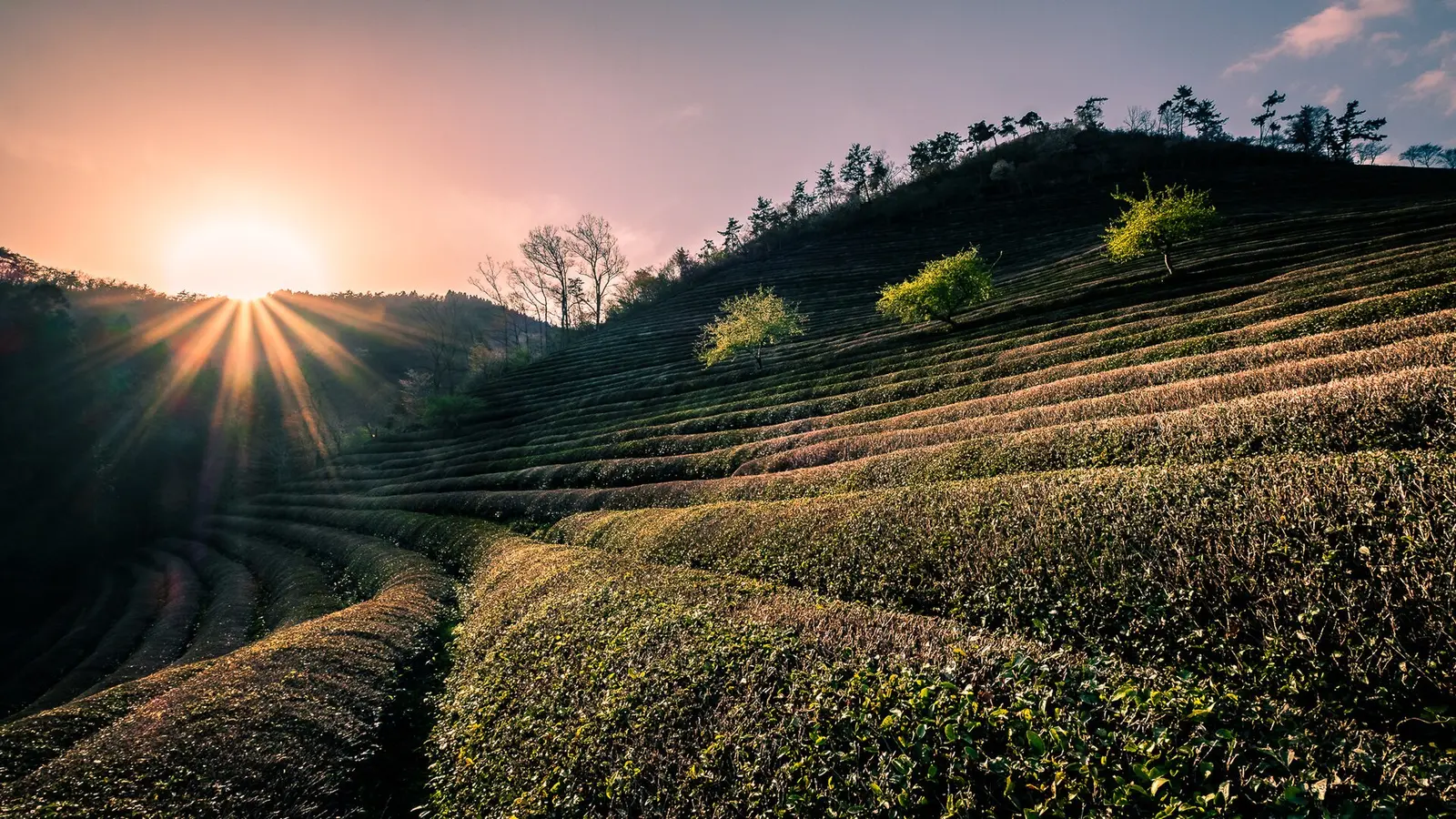
Farming regions of South Korea
- Around Seoul – smart greenhouses, strawberries, tomatoes and peppers under cover.
- The uplands and the southeast – apple orchards and Hanwoo cattle farms.
- The center of the country – ginseng plantations and specialty crops.
- Jeju Island – mandarin orchards in a volcanic landscape.
What sets South Korea apart
The average farm is small, so income comes from intensive production and branding, not from hectares. Greenhouses are controlled from a phone, and the state strongly supports sensors and climate automation. The native Hanwoo breed has its own meat quality grading system that commands very high prices. A national cooperative network provides farmers with supplies, credit, procurement and sales – a much stronger model than cooperatives in many other countries.
When to go
- April–May – orchard blossom and full greenhouse production,
- September–October – apple harvest, mild weather,
- November–January – mandarin harvest on Jeju,
- July–August – monsoon season, hot and humid.
Frequently asked questions
What documents do I need? Entry requirements depend on your nationality. Check the current rules before you travel.
What is there besides farms? We combine the program with Seoul's palaces, the temples of Gyeongju, Jeju Island and Korean cuisine.
Who interprets, and how many days should we plan? An agriculture-literate tour leader interprets during visits. We recommend 8–10 days, for groups from 5 people.