
 Farm tours in Singapore
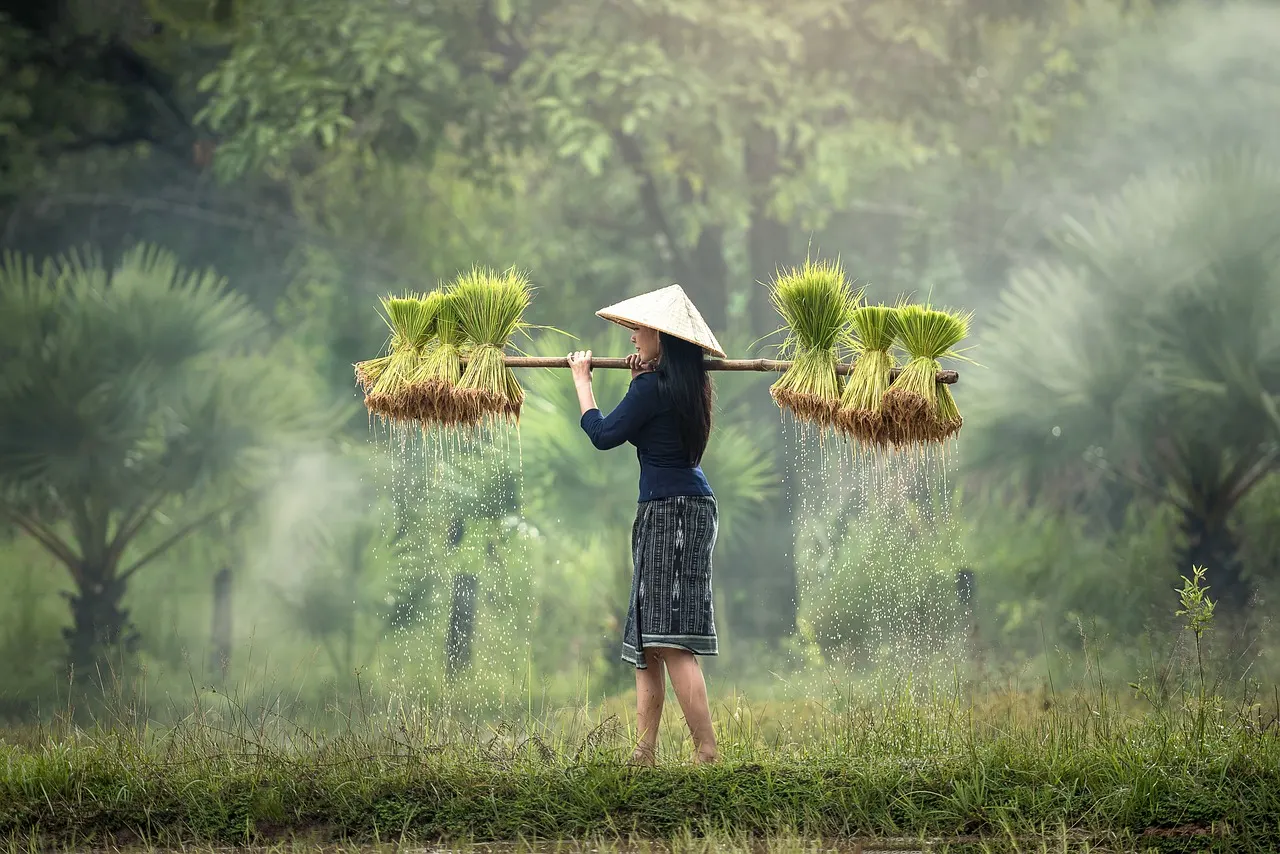
What to see
- Vertical farms – multi-level indoor growing of leafy greens, LED lighting and climate control.
- Aquaculture – fish farming in closed systems and in coastal waters.
- Food technology – companies and research centers, from alternative protein to new production methods.
- Neighboring Malaysia – oil palm, rubber, durian orchards, plus tea and vegetables in the Cameron Highlands.
What sets Singapore apart
Singapore has almost no farmland, so what counts is yield per square meter of growing space, not per hectare. Urban production depends on energy costs and automation, so conversations with hosts focus mainly on economics. The state treats food security as a strategic goal and supports new technologies. In neighboring Malaysia, by contrast, farming relies on commodity plantations that supply markets worldwide and on premium fruit varieties.
When to go
- All year – equatorial climate, hot and humid with no distinct seasons,
- February–April – usually less rain than around the turn of the year,
- June–August – the main durian season in Malaysia.
Frequently asked questions
Do I need a visa? Entry requirements depend on your nationality. Check the current rules for Singapore and Malaysia before you travel.
How many days should we plan? We recommend 7–9 days: two or three in Singapore and the rest in Malaysia, including the cool Cameron Highlands.
Are conversations interpreted? Yes. An agriculture-literate tour leader interprets during visits.