
 Farm tours in Japan
Farming regions of Japan
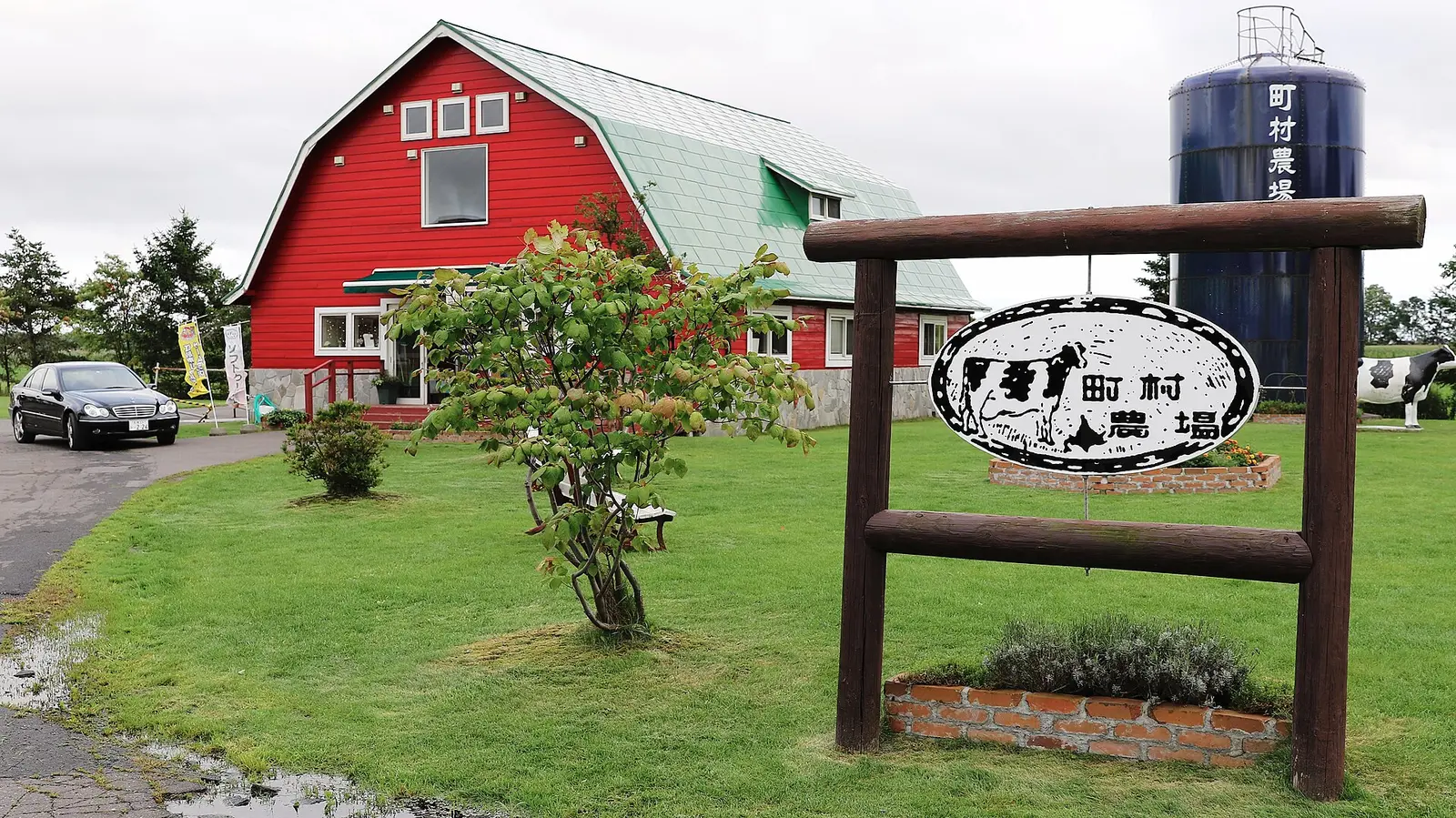
- Hokkaido – dairy farms with milking robots and local dairies, plus wheat, potatoes and sugar beets.
- Northern Honshu – apple orchards and rice growing in the valleys.
- Kyushu and the south – wagyu finishing with long feeding periods and meat quality grading.
- Around the big cities – plant factories with LED lighting, modern greenhouses and hydroponics.
What sets Japan apart
Farms are small, but every fruit is thinned, protected and graded to reach a premium price. Rice is grown in small flooded fields and terraces, with machinery sized to match. Farmers belong to the JA cooperative system, which handles supplies, advice, procurement, storage and sales. Roadside markets and cooperative stores are popular, with each product labeled with its grower and a strong local brand. With an aging rural population, robots, drones and indoor plant factories are part of everyday life here.
When to go
- April–May – orchard blossom and rice planting,
- June–August – summer on Hokkaido, a good time for dairy farms and field crops,
- September–November – rice and apple harvest.
Frequently asked questions
What documents do I need? Entry requirements depend on your nationality. Check the current rules before you travel.
Are conversations with farmers interpreted? Yes. An agriculture-literate tour leader interprets during visits.
How many days should we plan? We recommend 10–12 days to combine Hokkaido with farms on Honshu and with Tokyo and Kyoto.