
 Farm tours in India
Farming regions of India
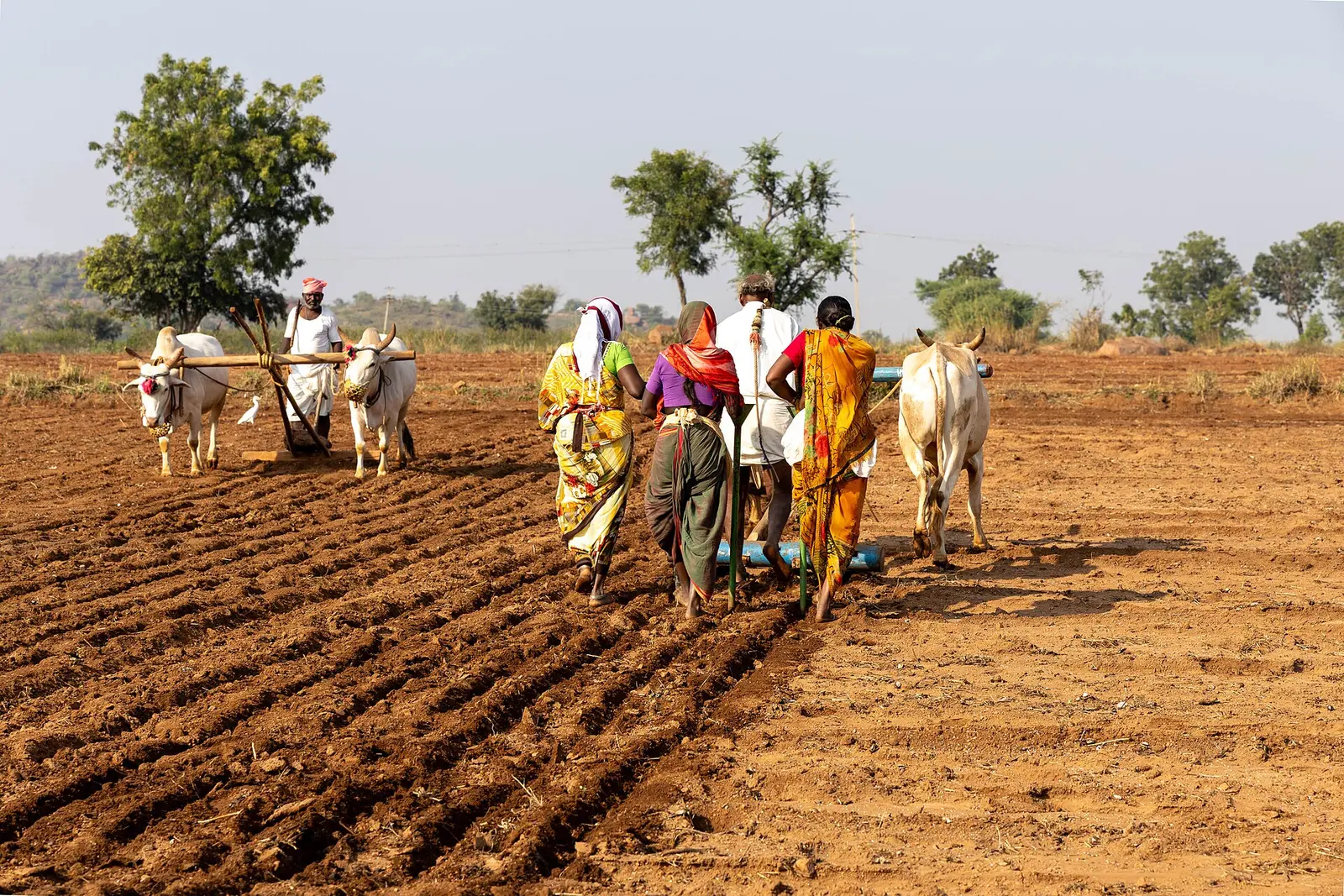
- Punjab and Haryana – the country's breadbasket, wheat–rice rotation, irrigated fields and state grain procurement.
- Gujarat – the birthplace of cooperative dairying and the so-called White Revolution.
- Assam and Darjeeling – tea plantations and tea factories.
- Kerala and the Nilgiri Hills – pepper, cardamom and turmeric, plus tea in the south of the country.
What sets India apart
Milk comes from millions of small farms, often with just a few cows or buffalo, and cooperatives run its collection and processing. In Punjab you see both the results of the Green Revolution and its costs: depleted groundwater and the problem of straw burning. Produce goes to wholesale agricultural markets, and the state buys grain. Solar pumps, drip irrigation, machinery services and mobile apps for farmers are much discussed. India is also among the world's leading fruit and vegetable producers – from mango and pomegranates to onions.
When to go
- November–February – cooler, dry season in the north, the best time to travel,
- March–April – wheat harvest in Punjab, but rising heat,
- June–September – monsoon, rice planting, harder travel.
Frequently asked questions
How long is the flight? Flights from your home country are arranged or quoted separately. Distances within India are large, so we build the route around two or three regions.
What documents do I need? Entry requirements depend on your nationality. Check the current rules before you travel.
Can we combine farms with landmarks? Yes. A route through Delhi and Punjab can include the Taj Mahal in Agra and the Golden Temple in Amritsar.