
 Farm tours in Zimbabwe
Farming regions of Zimbabwe
- The Highveld – a plateau above 1,200 m above sea level with a temperate climate: tobacco, corn and large commercial farms.
- Around Harare – seasonal tobacco auctions, citrus orchards, blueberry, avocado and macadamia plantations.
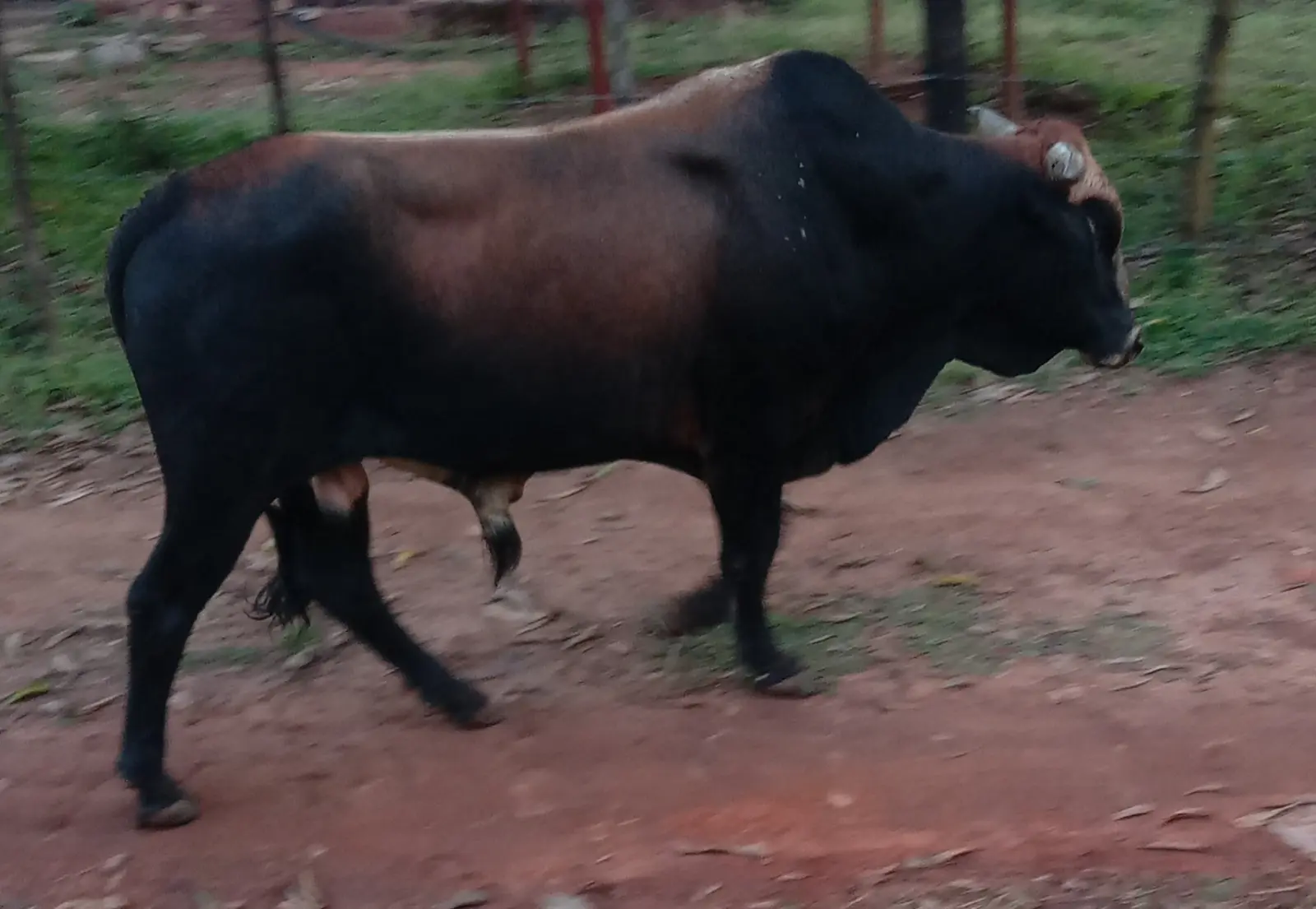
- The west and south – beef cattle ranches on extensive rangeland, breeds adapted to the African climate.
- The Eastern Highlands – tea and coffee plantations in a cooler, humid climate.
What makes Zimbabwe different
Zimbabwe is Africa's largest tobacco producer, and the whole chain – from seedlings and curing to sale at auction – can be seen in one season. Next to large commercial farms there are a great many small farms, often organized in co-ops. The country has gone through a deep restructuring of its farm sector, so conversations with hosts cover not only technology but also credit, land and extension advice.
When to go
- November–March – the rainy season, crops in full growth,
- April–August – tobacco auction season, cool and dry weather,
- August–October – dry and increasingly warm, a good time for safari.
Frequently asked questions
What documents do we need? Entry requirements depend on your nationality – check the current rules before you travel.
What is there beyond the farms? The program combines easily with Victoria Falls, Hwange National Park and the Great Zimbabwe ruins.
Who interprets and how many days should we plan? An agriculture-literate tour leader interprets during visits. We recommend 8–11 days, for groups from 5 people.