
 Farm tours in Zambia
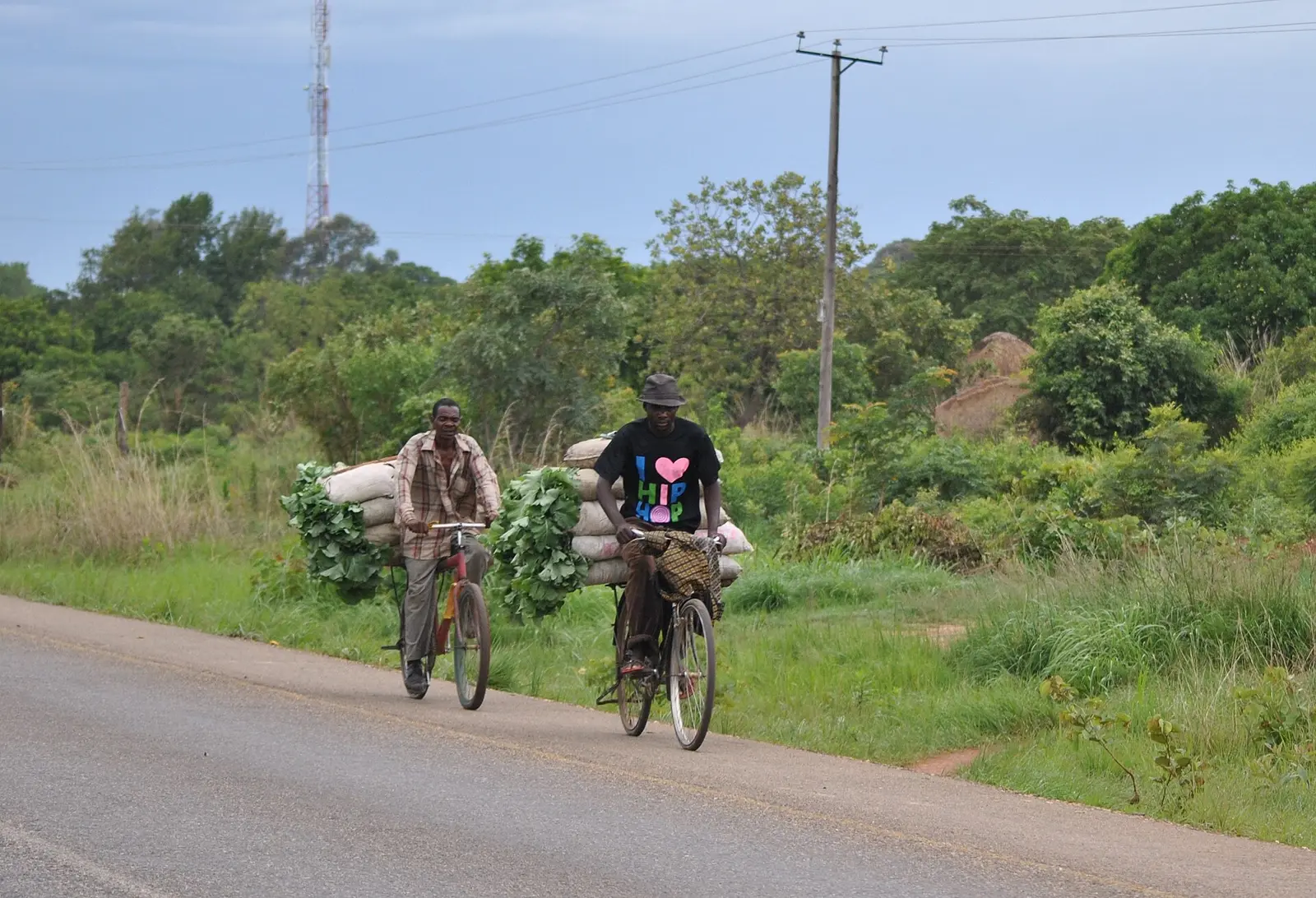
Farming regions of Zambia
- Central Zambia – commercial farms with corn, soybeans and wheat, no-till cropping, grain dryers and storage.
- The Kafue River valley – irrigated sugarcane plantations and sugar mills working with smallholder outgrowers.
- Lake Kariba and the rivers – tilapia farming in ponds and cages, and fisheries.
- The northwest – traditional large-scale beekeeping and forest honey.
What makes Zambia different
The country lies in the tropics but on a plateau, so the climate is milder than you might expect. The year is divided into a rainy and a dry season rather than summer and winter. Corn and soybeans are planted with the arrival of the rains, and wheat in the dry season, with water from rivers and boreholes applied through center pivots. Commercial farms are often run by farmers from Europe and Southern Africa. Alongside them, smallholder co-ops buy seed and fertilizer together and market their crops. Beef cattle of breeds adapted to the African climate are also raised.
When to go
- May–August – the start of the dry season and cooler days, irrigated wheat in full growth,
- September–October – wheat harvest, the hottest part of the year,
- November–April – the rainy season, corn and soybeans in the fields, roads can be harder.
Frequently asked questions
What documents do we need? Entry requirements depend on your nationality – check the current rules before you travel.
Are conversations with farmers interpreted? Yes. An agriculture-literate tour leader interprets during visits.
How many days should we plan? We recommend 8–10 days, including Victoria Falls and a safari.