
 Farm tours in Uganda
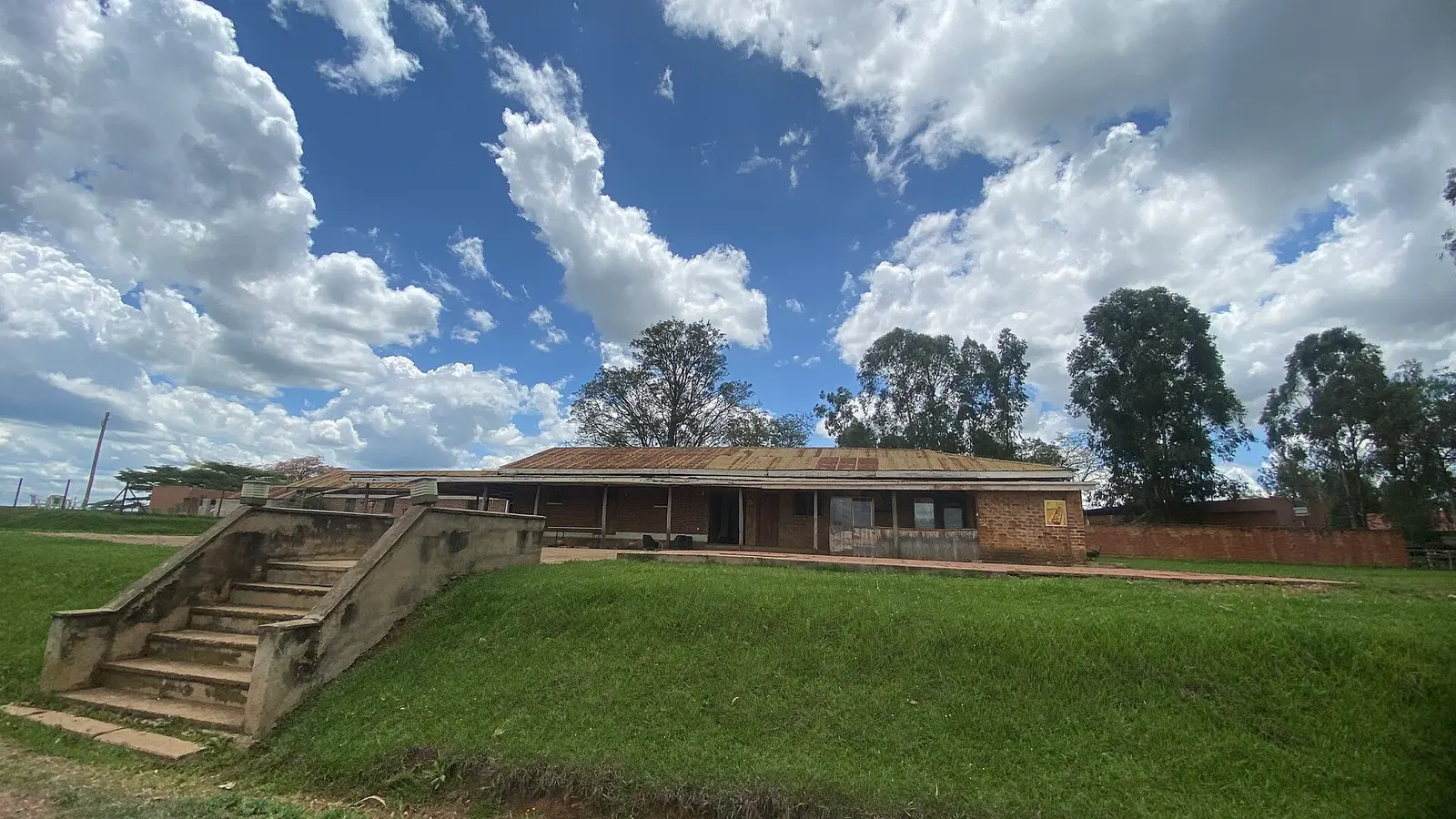
Farming regions of Uganda
- Western Uganda – the dairy heartland, from traditional Ankole cattle to farms with dairy breeds, plus tea plantations.
- Around Lake Victoria – Nile perch and tilapia fisheries, pond and cage fish farming, pineapples, avocados and flower cuttings for export.
- Central Uganda – Robusta coffee, matoke bananas, corn, beans and cassava in mixed cropping.
- Mountain slopes in the east – Arabica coffee from higher-altitude plantations.
What makes Uganda different
Two rainy seasons allow two harvests a year, and the fields have no winter break. Most food comes from very small farms that work with little machinery. Coffee is the country's main export, so the way co-ops organize joint buying, hulling and marketing decides the income of many families. Smallholders also earn from vanilla and cocoa sold for export. Much attention goes to plant health, varieties and extension advice.
When to go
- June–August – a drier period, convenient for travel and field visits,
- December–February – the second dry season,
- March–May and September–November – the rainy seasons, strong crop growth but worse roads.
Frequently asked questions
How long is the journey? Flights to Entebbe involve a connection. Travel between regions takes a fair amount of time, so we plan the route with a buffer.
What documents do we need? Entry requirements depend on your nationality – check the current rules before you travel. Discuss vaccinations with a travel medicine doctor well in advance.
Can the program be combined with wildlife? Yes. Farm visits combine easily with national parks, including mountain gorilla trekking.