
 Farm tours in Tanzania
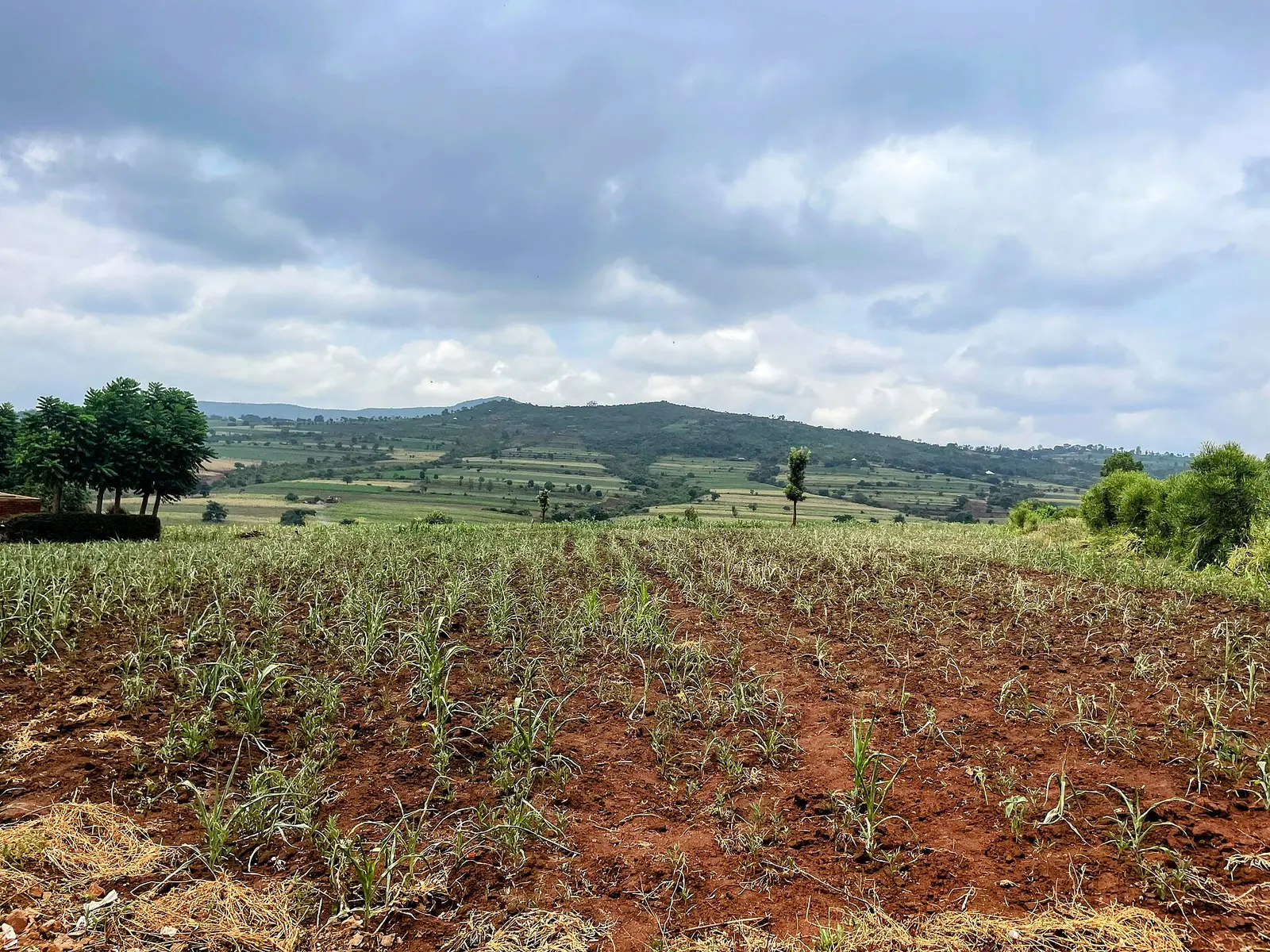
Farming regions of Tanzania
- Kilimanjaro – Arabica coffee on the mountain's slopes, smallholder co-ops.
- Arusha – vegetables, flowers and seeds, largely for export to Europe, plus dairy farms.
- The southern highlands – tea plantations and crops in a cooler climate.
- The coast and Zanzibar – cashews, tropical fruit, and cloves, vanilla and cinnamon.
What makes Tanzania different
Instead of four seasons there are rainy and dry seasons, and rainfall, not temperature, sets the farming calendar. Most production comes from small farms, alongside large plantations and seed companies. The country has one of the largest cattle herds in Africa – from traditional Maasai pastoralism to a developing dairy sector. The government invests in processing and agricultural growth corridors.
When to go
- June–October – the long dry season, good conditions for travel and safari,
- January–February – a short break between the rains, warm and green,
- March–May – the long rains, some roads can be hard to pass.
Frequently asked questions
What documents do we need? Entry requirements depend on your nationality – check the current rules before you travel.
Can the program be combined with a safari? Yes. We combine farm visits with the Serengeti, the Ngorongoro Crater and views of Kilimanjaro, and Zanzibar can be added at the end.
Who interprets and how many days should we plan? An agriculture-literate tour leader interprets during visits. We recommend 9–12 days, for groups from 5 people.