
 Farm tours in Namibia
Farming regions of Namibia
- The center and north – commercial beef cattle ranches with drought-adapted breeds, rotational grazing and weaner sales to feedlots.
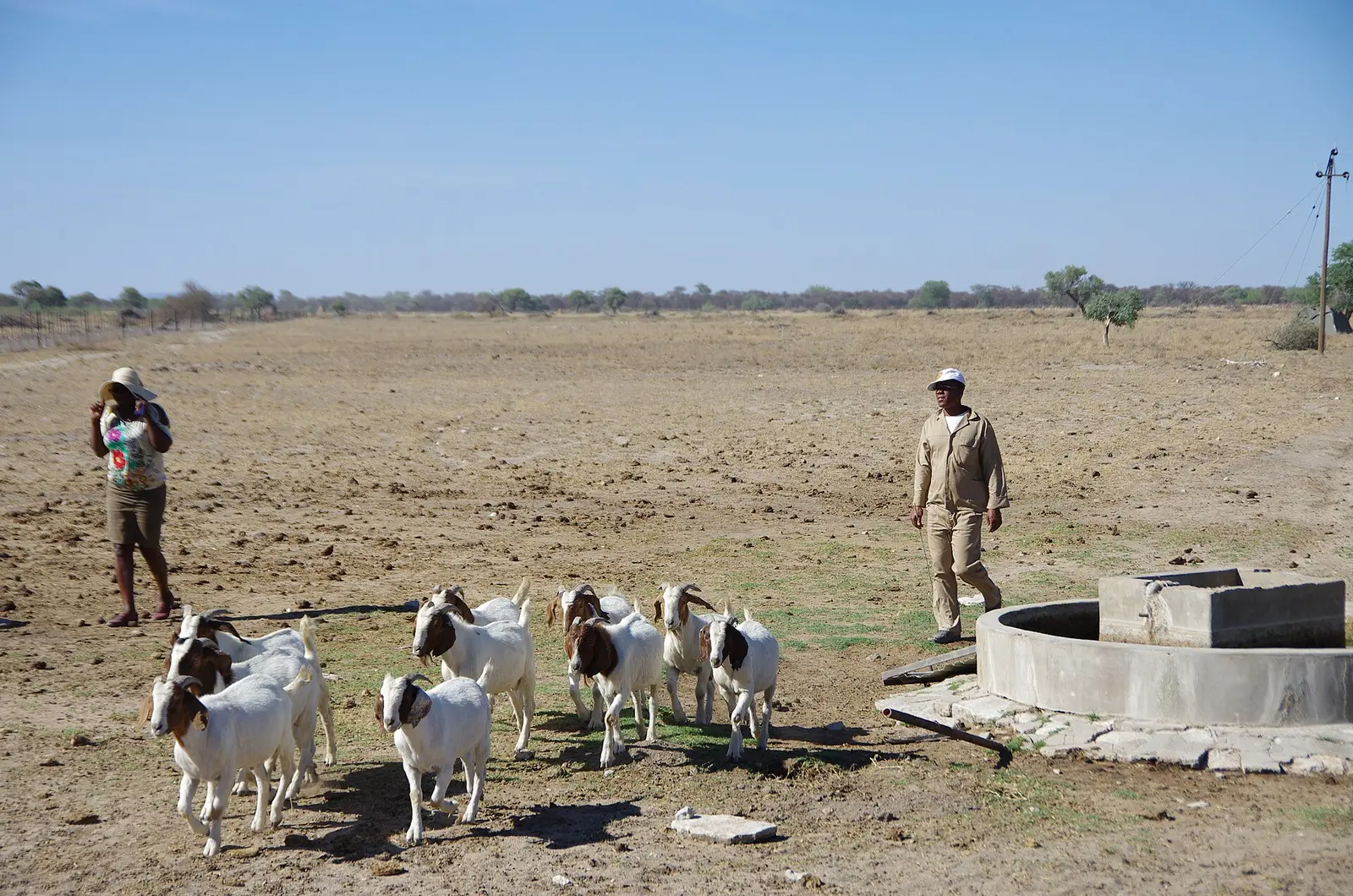
- The south – Dorper sheep and Boer goats, plus the tradition of Karakul sheep on semi-desert rangeland.
- The Orange River valley – irrigated table grape and date palm plantations with fruit for export.
- The coast around Walvis Bay – oyster farming as an add-on to the program.
What makes Namibia different
Rainfall is low and irregular, so a farm's results depend on managing water and grazing, not on fertilizer or bought-in feed. A veterinary fence divides the country into zones, and every animal is identified and registered – a condition for exporting beef. Bush encroachment on the savanna is a serious problem. Farmers clear the bush and turn it into charcoal or biomass feed. Many farms supplement their income with game farming and hunting, and cattle and sheep are sold at auctions.
When to go
- May–August – the dry season and cooler days, good conditions for farm visits,
- September–October – the end of the dry season, when you see how farms manage the last of their grazing,
- November–December – table grape harvest in the Orange River valley.
Frequently asked questions
What documents do we need? Entry requirements depend on your nationality – check the current rules before you travel.
What language do the farmers speak? Many farmers have run their farms for generations and speak English, some also German. An agriculture-literate tour leader interprets during visits.
How many days should we plan? Distances between farms are long, so we recommend 9–12 days, with time for the Sossusvlei dunes and a safari.