
 Farm tours in Lesotho
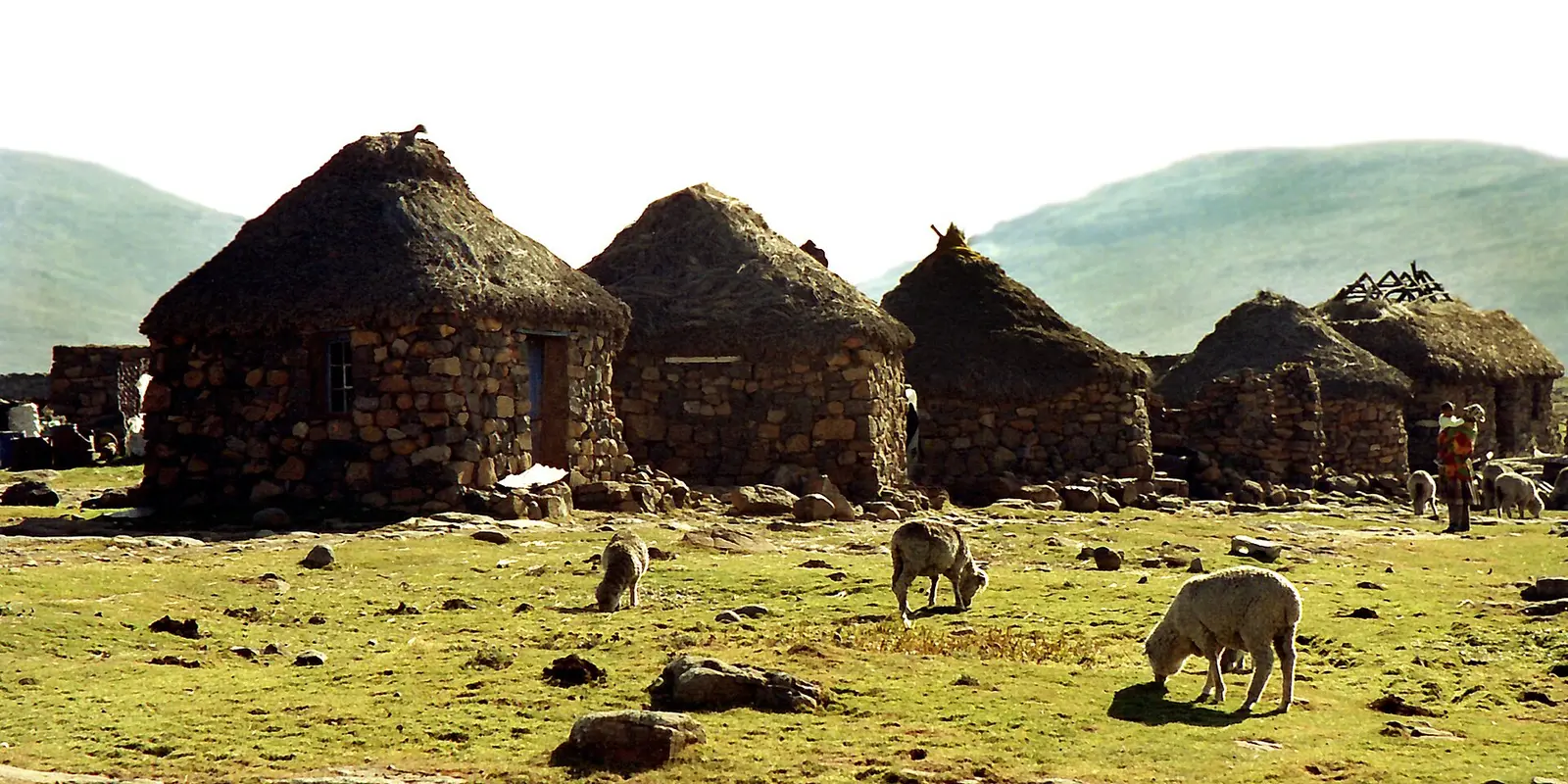
Farming regions of Lesotho
- The highlands and the Drakensberg – sheep and goats grazing on communal pastures, wool and mohair shearing.
- The western lowlands – corn, sorghum and pulses, increasingly grown without plowing.
- River valleys – orchards, vegetables and small protected crops.
- The Katse Dam area – mountain reservoirs that supply water to South Africa's economy.
What makes Lesotho different
The growing season is short, frosts occur for much of the year, and steep slopes easily lose soil after heavy rain. That is why farmers terrace their fields, leave crop residues and limit plowing. Pastures are largely communal, and wool and mohair are sold through livestock associations and shearing sheds. It is a very different model from the individual family farm, but the lessons on soil conservation are highly relevant for farmers everywhere.
When to go
- September–November – spring in the Southern Hemisphere, the start of fieldwork,
- December–March – summer and the rainy season, green mountain pastures,
- June–August – winter, frost and snow at higher elevations, more difficult travel.
Frequently asked questions
What documents do we need? Entry requirements depend on your nationality – check the current rules before you travel.
Do we visit Lesotho only? We usually combine Lesotho with neighboring South Africa. The contrast between a mountain smallholding and a modern commercial farm gives a lot to think about.
Who interprets and how many days should we plan? An agriculture-literate tour leader interprets during visits. Together with South Africa we recommend 9–11 days, for groups from 5 people.