
 Farm tours in Kenya
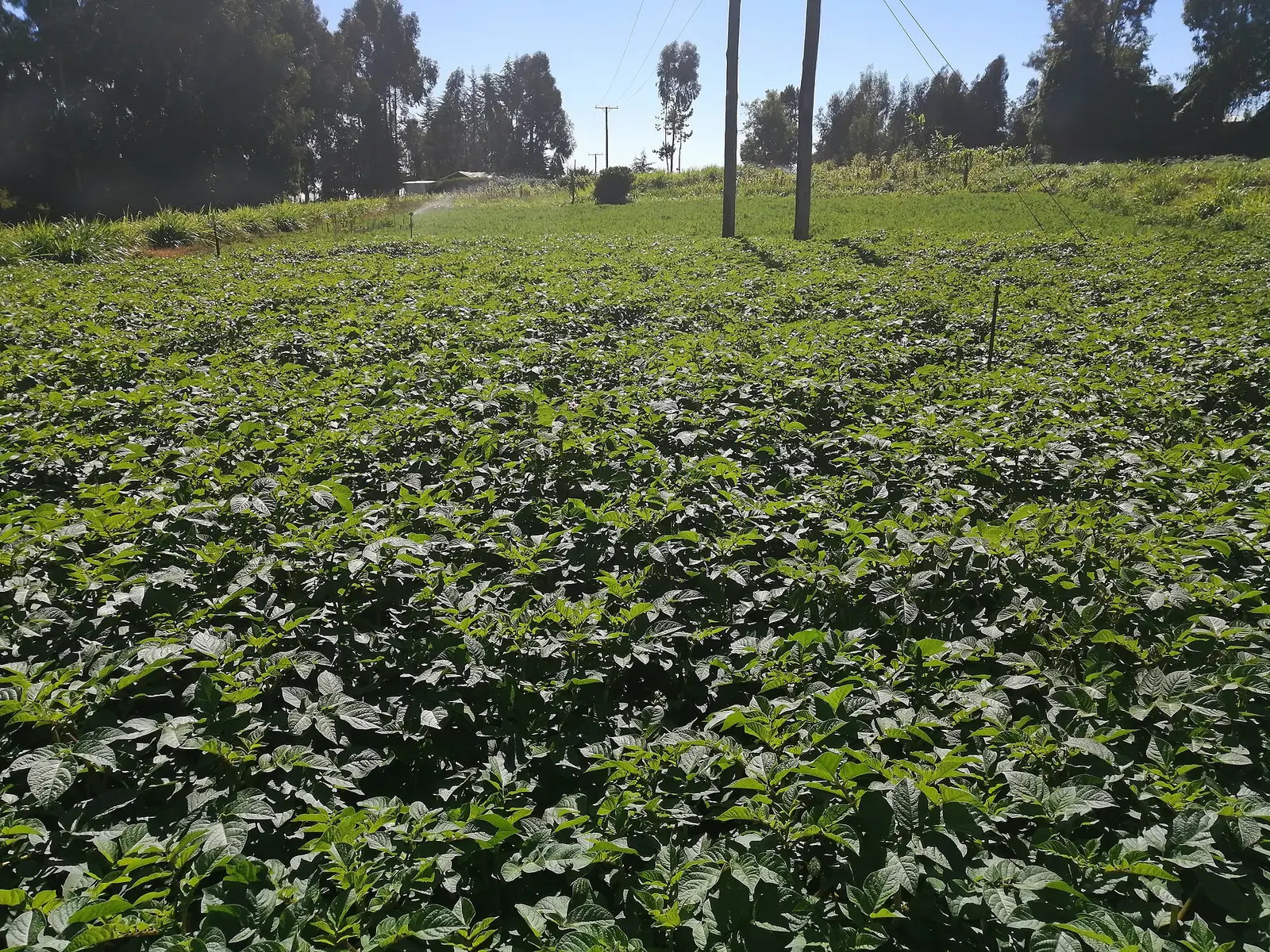
Farming regions of Kenya
- Kericho and the western highlands – vast tea plantations and factories where the leaf is processed into black tea.
- Mount Kenya and Kiambu – wet-processed Arabica coffee, avocado orchards and smallholder dairy farms.
- The Rift Valley – corn, wheat, silage and forage, the feed base for the growing dairy sector.
- Around Lake Naivasha – rose and export vegetable greenhouses with cold stores and packhouses.
What makes Kenya different
A typical dairy farm has a few cows kept in a zero-grazing system, with no grazing and feed brought in from the field. The sector's strength lies in co-ops that collect milk from hundreds of thousands of smallholders, control quality and provide services to their members. Crops are grown at 1,500–2,500 m above sea level, so despite being close to the equator the heat is moderate. The seasons are set by rainfall, not temperature. In the flower greenhouses, fertigation and biological crop protection are standard.
When to go
- January–February – the dry season, good conditions for visiting plantations and greenhouses,
- March–May – the long rainy season, dirt roads can be difficult,
- July–October – the dry season and the wildebeest migration in the Masai Mara,
- November–December – the short rains, usually not too disruptive.
Frequently asked questions
What documents do we need? Entry requirements depend on your nationality – check the current rules before you travel.
Are conversations with farmers interpreted? Yes. An agriculture-literate tour leader interprets during visits.
How many days should we plan? We recommend 8–10 days, to combine plantations, farms and greenhouses with a few days of safari in the Masai Mara or Amboseli.