
 Farm tours in Botswana
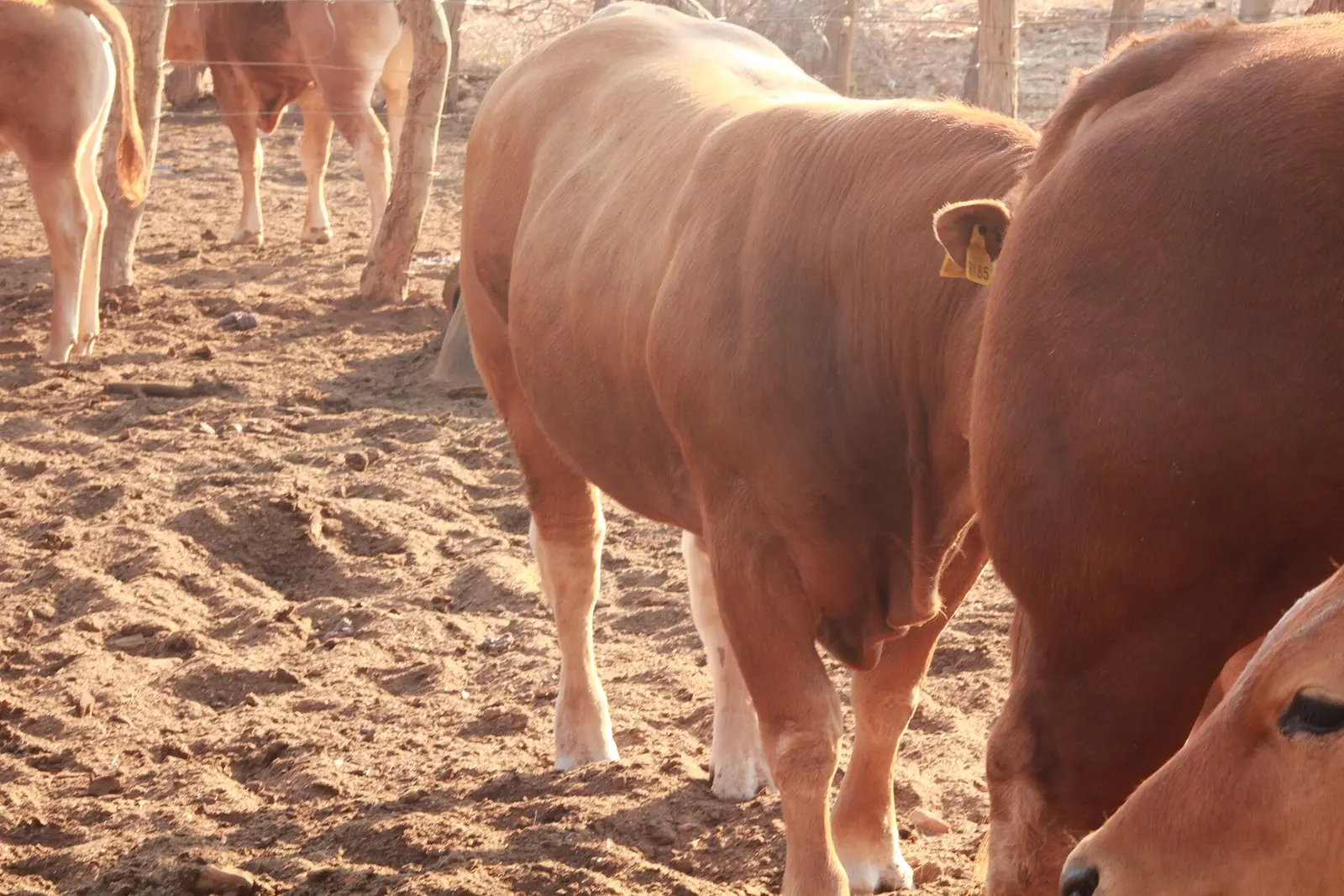
Farming regions of Botswana
- The east – the most densely populated belt, with mixed farms, protected vegetable production and poultry farms.
- The Kalahari – vast grazing lands, beef cattle ranches and traditional cattle posts at boreholes.
- The north: Chobe and the Okavango Delta – livestock farming right next to national parks and wildlife.
- Buying and slaughter centers – cattle auctions and beef processing plants working for export.
What makes Botswana different
Most of the country is semi-desert, and rainfall is low and very irregular, so access to water and feed decides a farm's results, not yield per hectare. The country is divided into veterinary zones separated by sanitary fences, and every animal must be identified. Farmers also have to protect their herds from predators and limit conflicts with wildlife – a topic more and more farmers elsewhere know well.
When to go
- May–September – the dry season, cooler nights, animals gather at water,
- October–November – the hottest period before the rains, more tiring for a group,
- December–March – the rainy season, green pastures, but some farms are harder to reach.
Frequently asked questions
What documents do we need? Entry requirements depend on your nationality – check the current rules before you travel.
Can the program be combined with wildlife? Yes. Ranch visits combine easily with the Okavango Delta, Chobe National Park and Victoria Falls.
Who interprets and how many days should we plan? An agriculture-literate tour leader interprets during visits. We recommend 8–10 days, and a group can start from 5 people.